The advent of cryptocurrencies, particularly Bitcoin, has transformed various industries by introducing an alternative to traditional monetary systems. However, the intersection of Bitcoin and the darknet has raised several concerns, especially regarding illicit activities such as drug trafficking. Understanding this complex relationship is crucial for individuals seeking to navigate the evolving digital landscape safely and responsibly.
- Three markets consistently sustain over 60 percent market share, namely Silk Road, AlphaBay, and Hydra.
- Data markets typically implement friction designed to limit casual visibility and automated collection while preserving a smooth experience for paying users.
- This has curtailed user confidence and stunted the ecosystem's growth, creating a climate of distrust that is reminiscent of the aftermath of Op.
- From 2013 until 2015, the multiseller network grows in terms of connectivity, showing an increasing number of edges spread across different markets.
- In 2026, dark web marketplaces function as semi-structured criminal platforms rather than anonymous forums.
The majority of cryptocurrency terrorism convictions around the world in the last 12 months, including in the United States, were linked to these campaigns. In Syria, the fundraising campaigns for ISIS members and families held in displacement camps remain a driver of cryptocurrency use by the group’s supporters around the world. The spring joint Pakistani-Turkish arrest of Ozgur Altun, a key figure in the group’s finance and media functions, was a notable disruption to ISKP’s cryptocurrency use. These addresses — which were almost exclusively USDT on TRX — conducted hundreds of transactions ranging between USD 100 to USD 15,000. On-chain mapping was fused with communications data, travel records, and cloud forensics to link wallet clusters to real-world identities. Similarly, German authorities dismantled eXch.cx, an anonymous crypto-to-crypto swapping service advertised explicitly as having no KYC or AML controls.
Bitcoin Darknet Drugs
The darknet refers to parts of the internet that are not indexed by traditional search engines. It requires specific software, configurations, or authorization to access. Activities on the darknet range from forums discussing political activism to illicit drug trade. Here's a closer look at the connections between Bitcoin, the darknet, and the drug market.
Sophisticated actors, particularly those linked to North Korea (DPRK), are no longer just exploiting code — they are compromising the operational foundations of crypto asset services and the ecosystems around them. TRM analysis identified two cryptocurrency exchanges incorporated in the UK that processed hundreds of millions of dollars in stablecoin transactions while functioning as offshore financial infrastructure linked to Iran’s Islamic Revolutionary Guard Corps (IRGC). Across both years, Iran’s illicit activity was overwhelmingly concentrated in stablecoins particularly USDT. While absolute illicit volume declined slightly in line with overall activity, its share of total flows remained stable — reinforcing the view that illicit and sanctions evasion usage is structurally embedded. In 2024, illicit activity accounted for roughly 5.1% of total observed volume, or approximately USD 600 million.
Understanding the Darknet
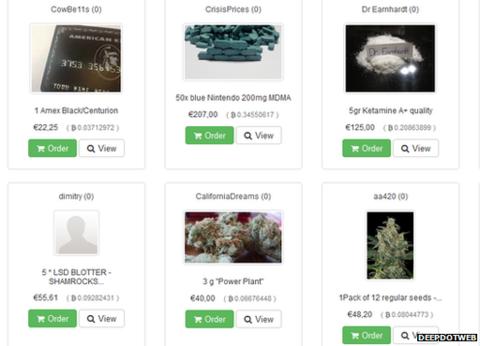
The darknet operates as a marketplace for various goods and services, including:
- Illegal drugs
- Stolen data
- Counterfeit currencies
- Unlicensed firearms
Among its many uses, the trade of illegal drugs is one of the most prominent. Buyers and sellers use the anonymity provided by the darknet to conduct transactions without revealing their identities.
The Role of Bitcoin
Bitcoin has emerged as the preferred form of payment for transactions on these illicit platforms due to several key characteristics:
- Decentralization: Bitcoin operates independently of any central authority, making it difficult for governments to regulate or trace.
- Anonymity: Transactions can be conducted without revealing the parties’ identities, enhancing privacy for both buyers and sellers.
- Global Accessibility: Bitcoin can be exchanged across borders without the restrictions imposed by traditional banking systems.
How Transactions Work
Typically, the process of buying drugs on the darknet using Bitcoin involves several steps:
- Accessing the Darknet: Users first utilize software like Tor to maintain anonymity while browsing.
- Selecting a Marketplace: Various darknet marketplaces cater to drug sales, each with different reputations and offerings.
- Creating a Bitcoin Wallet: Before making purchases, users must set up a digital wallet to store their cryptocurrency securely.
- Making a Purchase: After selecting a product, buyers send Bitcoin to the seller's wallet, usually facilitated through an escrow service to ensure fairness.
The Risks and Consequences
While the allure of anonymous transactions may seem appealing, there are significant risks involved:
- Legal Consequences: Engaging in drug transactions on the darknet can lead to severe criminal charges.
- Fraud: The risk of scams is high, with buyer protections often minimal.
- Health Risks: Drugs purchased online may be impure or mislabeled, posing serious health risks to users.
FAQs
1. Is it legal to use Bitcoin on the darknet?
Using Bitcoin is legal in many jurisdictions; however, purchasing illegal goods such as drugs is against the law.
2. Can transactions be traced?
While Bitcoin transactions are pseudonymous, law enforcement agencies can analyze blockchain data to trace transactions back to individuals.
3. What are the alternatives to Bitcoin for darknet transactions?
Other cryptocurrencies like Monero or Zcash offer enhanced privacy features but come with their own sets of risks.
In conclusion, the relationship between Bitcoin and the darknet presents both opportunities and risks. Being informed about the mechanics of this digital landscape is critical for individuals to navigate it responsibly and avoid potential pitfalls.