The dark deep web is an enigmatic and often misunderstood part of the internet that elicits both fascination and fear. While the surface web is what most users navigate daily through common search engines, the dark deep web lies beneath, offering a hidden world that is not indexed or accessible through standard browsers. This article aims to illuminate the characteristics, uses, and implications of the dark deep web, providing essential knowledge to ensure users are informed and aware.
Understanding the Dark Deep Web
Tor Metrics is a dark web site that keeps track of who’s using the Tor network and where they’re accessing it. With a VPN, your data gets encrypted before it ever reaches the Tor network. This space for private free speech also carries the risk of exposing you to harmful content. You can access DuckDuckGo on the surface web, but a Tor version is also available.
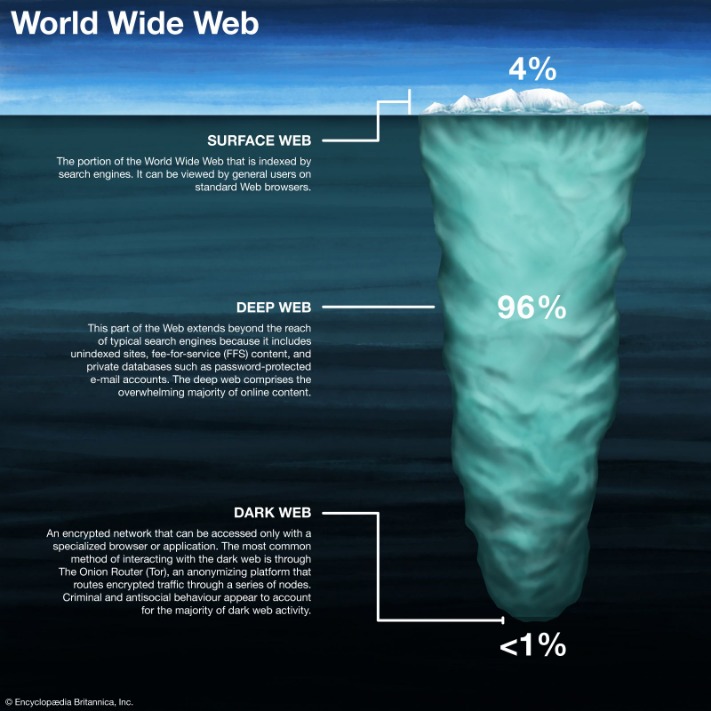
These networks live on the fringes of the hidden web, offering many layers of encryption to protect data in transit. Most of the deep web’s content and services are accessible via regular web browsers. Though some content and services on the deep web are obscured through non-indexing, the majority are hidden through paywalling and password protection. We’ll also highlight the risks and show you how to access each section of the internet without jeopardizing your digital security or privacy. The dark web's anonymity features make it attractive for illegal activities while complicating law enforcement efforts. The security implications of the surface web differ significantly from its hidden counterparts.
The dark deep web encompasses a small fraction of the deep web, which itself is a vast area of the internet that includes content not indexed by traditional search engines. Unlike the surface web, which hosts everyday websites, the dark deep web requires special tools and software to access, the most notable being Tor (The Onion Router).
- Also known as deep web sites, these pages typically have URLs ending in .onion and are only accessible through special software like the Tor Browser.
- Yes, police can track users on the dark web, but it’s challenging and resource-intensive, requiring advanced tools, undercover operations, and digital forensics to uncover illegal activity.
- Additionally, the logs showed, in the opinion of the researchers, that the majority of the compromised ChatGPT passwords had been extracted by the data-stealing virus Raccoon.
- Notably, related work often does not explicitly state the reasons for selecting specific data sources, limiting the understanding of source selection criteria and increasing potential biases.
- Many dark web search engines are available, and no single option is objectively the best.
What Lives in the Dark Deep Web?
While the dark deep web is often associated with illicit activities, it also serves various legitimate purposes. Here are some of the common elements found within this hidden realm:
- Anonymous Communication: Forums and chat rooms where users can communicate without revealing their identities.
- Whistleblower Platforms: Safe spaces for individuals to expose wrongdoing without fear of retribution.
- Political Dissent: Sites that support freedom of speech and provide a platform for voices in oppressive regimes.
- Marketplaces: A mix of legal and illegal goods and services, including drugs, firearms, and counterfeit documents.
- Hacking Services: Offers for software or expertise to compromise systems or data.
How to Access the Dark Deep Web Safely
Accessing the dark deep web requires careful consideration and precautions. Here are steps to ensure a safer experience:
- Identities and locations of darknet users stay anonymous and cannot be tracked due to the layered encryption system.
- OSINT, or Open Source Intelligence, are data collection tools that legally collect information from public sources.
- The difference from surface websites is that most deep websites require users to pay for a subscription or create an online profile to obtain login credentials.
- Computer scientist Michael K. Bergman is credited with inventing the term in 2001 as a search-indexing term.
- Topic modeling is an unsupervised NLP technique with the main objective of identifying and delineating abstract “topics” inherent in a corpus of textual data (here posts, chat messages, or websites).
- Use a VPN: A Virtual Private Network can help mask your location and protect your identity.
- Install Tor: Download and install the Tor browser from its official site to access .onion websites.
- Stay Anonymous: Do not share personal information or engage in activities that could reveal your identity.
- Use Cryptocurrency: For transactions, consider using cryptocurrency for added anonymity.
- Beware of Scams: The dark web contains many scams; always exercise caution in any dealings.
Potential Risks and Dangers
While the dark deep web can provide anonymity and support, it also carries notable risks:
- Legal Consequences: Engaging in illegal activities can lead to severe legal repercussions.
- Cybersecurity Threats: Potential exposure to malware and hackers is high in unmonitored regions.
- Scams and Fraud: With the lack of regulation, many users fall victim to fraudulent schemes.
- Misinformation: Like all internet resources, content can be misleading; thorough vetting is essential.
FAQs about the Dark Deep Web
1. Is the dark deep web illegal?
No, the dark deep web itself is not illegal. However, many activities that take place within it may violate laws.

2. Can I be tracked on the dark deep web?
While anonymity tools like Tor provide some level of protection, no method is foolproof, and tracking is still possible.
3. What are .onion sites?
.onion sites are web addresses that can only be accessed via the Tor browser due to their privacy and security measures.
4. How can the dark web help whistleblowers?
It offers a secure platform for whistleblowers to expose corporate or governmental wrongdoing without revealing their identities.
Understanding the dark deep web is essential in today's digital landscape. By being informed, users can navigate this hidden realm responsibly, maintaining both their privacy and safety. Awareness empowers individuals to make informed choices about their online presence, ensuring they are neither misled nor endangered by the myriad of opportunities and risks that dwell in the depths of the internet.