The darknet address is often shrouded in mystery and intrigue, but understanding what it is and how it functions can equip individuals with the knowledge necessary to navigate the ever-evolving landscape of the internet securely. This article aims to demystify darknet addresses, explore their uses, highlight security measures, and provide insight into the ethical considerations surrounding them.
Darknet Address
The darknet address refers to a specific URL used to access services on the darknet, a part of the internet not indexed by traditional search engines. This segment of the internet is accessible only through specialized software, such as Tor (The Onion Router), which anonymizes users' identities and activities. Below are essential aspects that outline the structure and functionality of darknet addresses.
How Darknet Addresses Work
- Domain Structure: Darknet addresses typically end with the ".onion" domain, which is a unique top-level domain that specifies a site accessible only through Tor.
- Anonymity: The use of Tor encrypts user data and bounces it through multiple servers worldwide, making it challenging to trace user identities and activities.
- Access Requirements: To navigate to a darknet address, users must first download and install the Tor browser, enabling encrypted connections to these hidden sites.
Common Uses of Darknet Addresses
Darknet addresses serve various purposes, some of which include:

- Communication: Secure communication platforms that utilize encryption to protect user data.
- Whistleblowing: Safe spaces where individuals can report misconduct or corrupt activities without fear of retaliation.
- Marketplace: Digital marketplaces where goods can be exchanged anonymously, often including legal and illegal items.
Security Measures for Using Darknet Addresses
Engaging with darknet addresses requires a level of caution to maintain privacy and security. Here are some recommended practices:
- Use a VPN: A Virtual Private Network offers an additional layer of encryption to your internet connection.
- Stay Anonymous: Avoid sharing personal information or using identifiable usernames.
- Verify Sources: Many darknet sites can be scams; ensure that you verify addresses to avoid phishing attempts.
Ethical Considerations
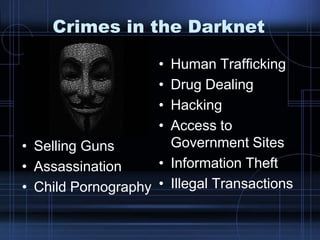
While the darknet has legitimate uses, it is also home to illicit activities. It is crucial to navigate these ethical dilemmas responsibly:
- Awareness: Understand the risks versus benefits of engaging with darknet services.
- Informed Decisions: Be conscious of the potential legal implications of using certain services or purchasing items.
FAQs About Darknet Addresses
Q1: Are all darknet addresses illegal?
A1: No, while many darknet addresses host illegal activities, others serve legitimate purposes, such as secure communication and privacy advocacy.
Q2: How can I find darknet addresses?
A2: Darknet addresses are often shared on forums and special directories accessible only through the Tor browser. Caution is advised as many links may lead to harmful or illegal content.
Q3: Is using the darknet safe?
A3: While using the Tor network can provide anonymity, it does not guarantee total safety. Employing proper security measures is essential when accessing darknet addresses.
In conclusion, a thorough understanding of darknet addresses can empower users to make informed decisions about their online navigation and security. Whether for legal purposes or personal privacy concerns, awareness of the blockchain enables individuals to tread carefully through this uncharted digital territory.