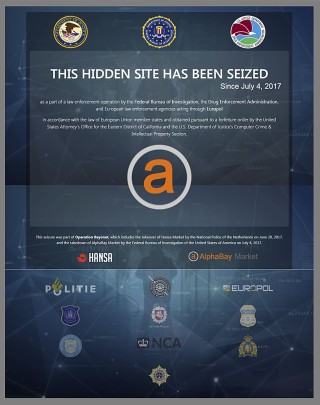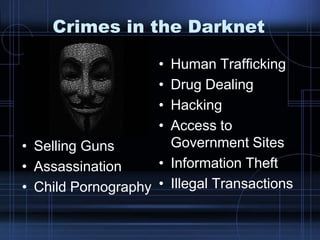
The darknet database market has generated significant interest in recent years, as it plays a crucial role in the landscape of illicit online activities. Understanding how this hidden section of the internet operates can help individuals stay informed and aware of potential risks and consequences. This article explores the intricacies of the darknet database market, its functionality, and the implications it has for both users and law enforcement agencies.
Darknet Database Market
The darknet database market is a subset of the broader darknet, which exists on a hidden network not indexed by traditional search engines. Accessing this market requires specialized software, most commonly Tor, which anonymizes users' identities and locations. Within this market, various databases containing sensitive information are traded and sold, often leading to serious ethical and legal concerns.
How Does the Darknet Database Market Work?
The functioning of the darknet database market can be broken down into several key components:
- Accessing the Darknet: Users must download Tor or similar software to access darknet sites.
- Marketplaces: Numerous platforms facilitate the sale of databases, including stolen personal information, credit card details, and proprietary business data.
- Transactions: Cryptocurrencies, such as Bitcoin, are typically used for transactions to maintain anonymity.
- User Anonymity: Both buyers and sellers utilize various methods to protect their identities, including encrypted communication channels.
- Verification Systems: Reputable markets often have user rating systems to establish trust among participants, though deception is common.
Types of Data Frequently Found in the Darknet Database Market
The darknet database market offers a variety of databases, including but not limited to:
- Personal Information: Names, addresses, Social Security numbers, and birthdates.
- Financial Data: Credit card numbers, bank account details, and financial statements.
- Corporate Data: Business records, trade secrets, and proprietary technologies.
- Healthcare Records: Patient information, medical histories, and insurance details.
- Login Credentials: Usernames, passwords, and security questions for various online accounts.
Risks and Implications
Engaging with the darknet database market can have dire consequences, including:
- Legal Risks: Participating in illegal transactions can lead to severe legal repercussions and criminal charges.
- Identity Theft: Personal data sold can lead to identity theft, financial loss, and psychological stress for individuals.
- Cybersecurity Threats: Organizations exposed to data breaches may face significant operational and reputational damage.
- Scams and Fraud: Many users face the risk of scams, whether from purchasing fake data or falling victim to phishing attacks.
Frequently Asked Questions (FAQs)
What is the darknet?
The darknet is a part of the internet that is not indexed by traditional search engines, often used for anonymous communication and illegal activities.
How can I access the darknet database market?
Access requires software like Tor, which anonymizes the user's location and identity. Caution is advised due to the illegal nature of many activities.
Is it safe to browse the darknet?
Browsing the darknet can pose extreme risks, including the potential for legal action and exposure to harmful content.
What should I do if my information is found on the darknet?
If you discover your information on the darknet, consider monitoring your accounts closely for unusual activity, and report any incidents to authorities.
Conclusion
The darknet database market exemplifies the darker side of the internet, where anonymity fuels both commerce and crime. Understanding its workings helps individuals and organizations better protect themselves against potential threats stemming from this hidden marketplace. Awareness and cybersecurity vigilance are critical in navigating today’s increasingly complex digital landscape.