It consists of private, secure, often password-protected, content requiring credentials or special access. The dark web is also legal to access, but it comes with serious risks. For example, in 2016, investigative news outlet ProPublica launched a hidden version of its website on the dark web to provide a secure and anonymous way for readers to access its content. In contrast, the dark web generally attracts individuals seeking extreme privacy, such as journalists, whistleblowers, or those engaging in illegal activities. While this makes it a popular choice for privacy-focused users, it also opens the door to hidden risks. Most deep web websites require login credentials, often with two-factor authentication, and use encryption to protect user information and keep transactions private.
The internet is a vast ocean of information, and within it lies two mysterious realms often confused with one another: the dark web and the deep web. Understanding the differences between these two segments is essential for anyone who navigates the online world. While both are not indexed by traditional search engines, they serve vastly different purposes and harbor very different content. This article aims to clarify these distinctions to better inform and protect users.
It’s typically accessed through specialized tools such as the Tor Browser and uses unique addresses, such as .onion addresses. If you’ve ever signed into Gmail, checked online banking, or used a company portal, you’ve used the deep web. The deep web vs dark web debate is really about privacy versus anonymity. In many places, simply visiting the dark web (or using privacy tools) is also legal. This anonymity can support legitimate privacy needs (like whistleblowing or anonymous reporting).
Dark Web Vs Deep Web
To start, it's crucial to define what each term encompasses.
What is the Deep Web?
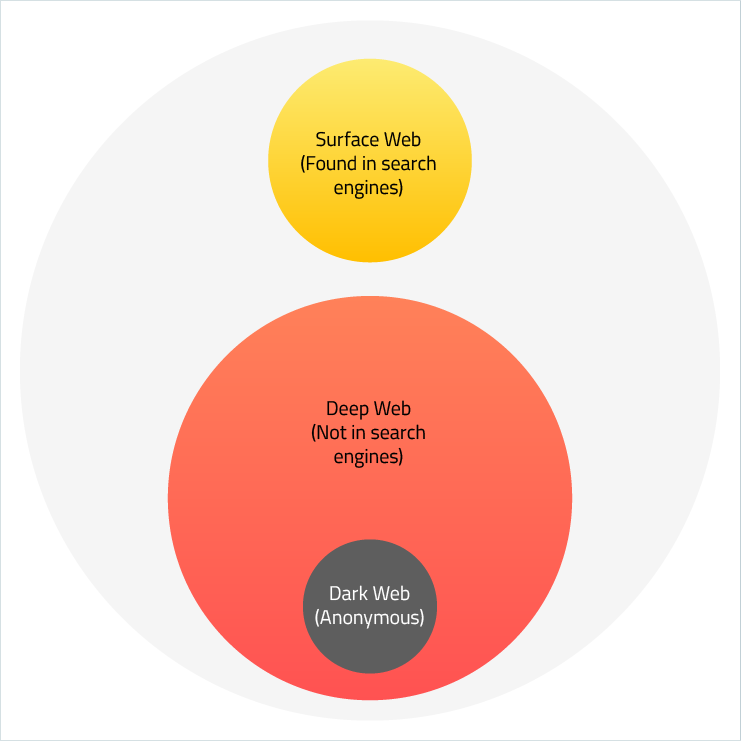
The deep web refers to all parts of the internet that are not indexed by standard search engines like Google or Bing. This includes private databases, password-protected websites, and any content meant for specific groups or individuals. Examples include:
- Medical records
- Private corporate data
- Academic databases
Researchers estimate that the deep web is significantly larger than the surface web (the part of the internet we typically access). Most of this web content is entirely legitimate and serves a vital role in various sectors, from academia to healthcare.
What is the Dark Web?
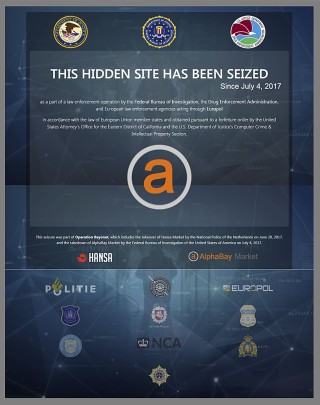
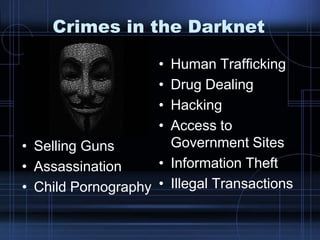
In contrast, the dark web is a small portion of the deep web that has been intentionally hidden and is inaccessible through traditional web browsers. To explore the dark web, users typically require specific software, such as Tor (The Onion Router), which anonymizes their identity and location. The dark web hosts a variety of content, some of which is illicit, including:
- Illegal drug markets
- Stolen data
- Unregulated weapons sales
- Forums for cybercriminals
- Most of the time, people mean the dark web, but the wording is often used to sensationalize it.
- Remember, understanding where your data lives and how different parts of the internet function is key to protecting yourself and staying secure online.
- Dark Web illegal activities can lead to severe legal actions, such as arrest, and so it must be taken very seriously by the users.
- Still, it’s not meant for public discovery and usually isn’t indexable.
- Significant portions of the deep web are perfectly legal and safe to use.
However, it's crucial to recognize that not all activity on the dark web is illegal. Some users turn to this part of the internet for privacy and security reasons, including journalists and activists in oppressive regimes who seek a platform that protects their identity.
Comparison of Deep Web and Dark Web
Understanding the distinction between the dark web and the deep web boils down to several key factors:
Accessibility
The deep web is accessible to anyone with the correct credentials, but typically requires logging in or having special permissions. Popular examples include online banking and subscription services. In contrast, accessing the dark web necessitates special software, and while some information is public, much of it is hidden and intentionally obscure.
Content Type
Content on the deep web is generally safe, legal, and structured for specific users. In contrast, the dark web can harbor not only dangerous and illegal content but also encrypted sites that prioritize anonymity and privacy.
Purpose
The purpose of the deep web is mostly functional and legitimate, meeting the needs of users who require confidentiality and security. The purpose of the dark web, however, ranges from fostering illicit activities to offering a refuge for those needing anonymity.
Conclusion
In summary, while the terms dark web and deep web are often used interchangeably, they refer to distinct parts of the internet serving different purposes. The deep web represents a valuable resource for many, while the dark web remains a domain for caution, layered in both intrigue and peril. By recognizing their differences, users can better navigate their online experiences while enhancing their knowledge of internet safety and security.