The internet is a vast landscape filled with information, social interaction, and commerce. However, there exists a hidden part of the web often referred to as the dark website. This segment is not readily accessible through traditional search engines, and navigating it requires specific tools and knowledge. Understanding the dark website is crucial for awareness and safety in our digital age, as it can harbor both opportunities and threats.
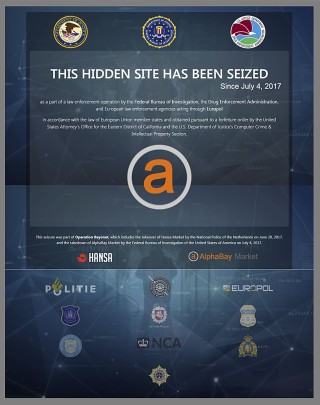
The same relay system that shields whistleblowers also frustrates investigators; the same hidden addresses that protect dissidents can hide criminal storefronts. When you open the free Tor Browser, it builds a 3‑relay “circuit” and wraps your data in multiple layers of encryption—hence “onion” routing. Yet threat actors regroup quickly, leveraging generative AI, ransomware‑as‑a‑service and cryptocurrency mixers. Operation Onymous in November 2014 seized roughly 400 Tor sites and arrested 17 suspects, including operators of Silk Road 2.0.
Dark Website
OSINT, or Open Source Intelligence, are data collection tools that legally collect information from public sources. When investigating online suspects, police typically use the IP (Internet Protocol) address of the individual; however, due to Tor browsers creating anonymity, this becomes an impossible tactic. The deep and dark web are applications of integral internet features to provide privacy and anonymity.
A dark website refers to websites that are intentionally hidden and require specific software to access. The most popular way to access the dark website is through Tor, which anonymizes user activity and provides privacy. Here are some key points about the dark website:
Characteristics of Dark Websites
- Anonymity: Users and site owners remain anonymous, making it difficult to trace actions or transactions.
- Specific Software Required: Accessing the dark website typically involves downloading Tor or other similar software.
- Restricted Content: Content found on the dark website can include anything from forums and blogs to illicit services.
Common Uses of Dark Websites
While the dark website is often associated with illegal activities, it also serves several legitimate purposes. Here are some of the common uses:
- Whistleblowing: Providing a safe space for whistleblowers to report misconduct without fear of retaliation.
- Privacy Protection: Activists and journalists may use the dark website to communicate securely in oppressive regimes.
- File Sharing: Some individuals share knowledge or files that are censored in their countries.

Risks Associated with Dark Websites
Despite its potential benefits, the dark website comes with significant risks:
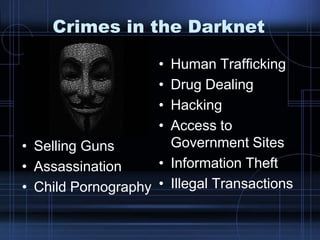
- Illegal Activities: The dark website is notorious for hosting illegal marketplaces and services.
- Scams and Fraud: Users might encounter scams disguised as legitimate services.
- Malware Threats: Accessing certain sites can expose users to harmful software.
- After more than a year of no updates, the site admin shut it down, reasoning that he couldn’t keep the list of onion links up-to-date.
- There are several websites which analyze and monitor the deep web and dark web for threat intelligence.
- This means your activities cannot be traced or your browser history exposed.
- When investigating online suspects, police typically use the IP (Internet Protocol) address of the individual; however, due to Tor browsers creating anonymity, this becomes an impossible tactic.
- It also includes any content that its owners have blocked web crawlers from indexing.
FAQs About Dark Websites
1. Is it illegal to access the dark web?
Accessing the dark website itself is not illegal; however, engaging in illegal activities on these sites is against the law.
2. How can I stay safe on the dark web?
To stay safe, consider the following:

- Use a VPN for added anonymity.
- Be cautious about sharing personal information.
- Avoid downloading unknown files.
3. Can the dark web be useful?
Yes, the dark website can be a tool for privacy advocates, activists, and those seeking secure communication, but users must remain vigilant.
In summary, the dark website is a complex and multifaceted part of the internet. While it offers opportunities for privacy and dissent, it also poses significant dangers. Educating oneself about this hidden realm can empower users and enhance their safety online.