Los Angeles Times listed Dark as one of the best TV series of 2017, while Thrillist named it the 18th best TV show of the year. However, there was some criticism by Reason's Glenn Garvin for a heavy-handed approach to its message, a lack of sympathetic characters, and unoriginality of certain aspects of the series. Writing for The Guardian, Lanre Bakare gave Dark a rating of four out of five and praised the series for its tone, the complexity of its narrative, and its pacing.
- The first season of the series was released on 1 December 2017.
- Noah tells Bartosz that Claudia is their main adversary, and that the adult Jonas, unwittingly, is about to create the wormhole.
- Unable to reach Aleksander, she and Bartosz race to the power plant, but are intercepted by the adult Magnus and Franziska from Adam's world, who send Martha on her mission to rescue Jonas.
- In 2019, Mikkel's family struggles not to turn against each other, Regina discovers that she has breast cancer, and Ulrich learns that his father was having an affair with Claudia at the time of Mads' disappearance.
The second season continues the families' attempts to reunite with their missing loved ones several months after the first-season finale, in 2020, 1987 and 1954, respectively. During the first season, secrets are revealed concerning the Kahnwald, Nielsen, Doppler, and Tiedemann families, and their lives begin crumbling as their ties are exposed. Children start vanishing from the German town of Winden, bringing to light the fractured relationships, double lives, and dark pasts of four families living there and unfurling a mystery that spans four generations. In 2021, the BBC ranked the series as the 58th greatest TV series of the 21st century. The second season was released on 21 June 2019, while the third and final season was released on 27 June 2020. Dark debuted on 1 December 2017 on Netflix; it is the service's first German-language original series.
Fans often find themselves amazed at how well the pieces fit together when revisiting the series. While shock twists have become a staple of modern TV, no other series has wielded them with the precision of Dark. Meanwhile, Thrillist ranked it at number 19 on its "40 Best TV Shows of 2020" list, with one of its writers Emma Stefansky calling the series finale "one of the most shocking and emotional conclusions to a TV show you'll see this year."
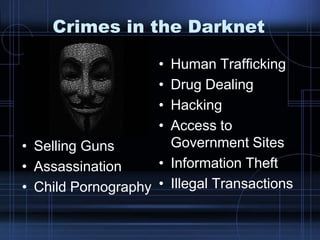
The dark web is often shrouded in mystery, attracting curiosity and concern alike. Among its many illicit activities, the trade of dark web stolen credit card numbers remains a pressing issue. Understanding how this underground marketplace operates is crucial for consumers, businesses, and law enforcement alike. In this article, we will delve into the mechanisms behind the sale of stolen credit cards, the potential risks involved, and essential steps to protect oneself from falling victim to these schemes.
- While shock twists have become a staple of modern TV, no other series has wielded them with the precision of Dark.
- In 1987, adult Katharina visits Ulrich in the psychiatric ward and promises to liberate him.
- The Unknown coerces Winden's mayor into approving the power plant.
- The 1987 version of Claudia visits Winden's public library, where she discovers a report on Egon's death; she then travels back to 1987.
- The third and final season received critical acclaim, with the series finale receiving particular praise for being a satisfying conclusion to the story.
- Jonas wakes in the bunker, accompanied by the Stranger, who reveals himself to be the adult Jonas.
Dark Web Stolen Credit Card Numbers
The dark web is a part of the internet that is not indexed by traditional search engines, making it harder to navigate but not impossible. Here’s how stolen credit card numbers circulate within this hidden realm:
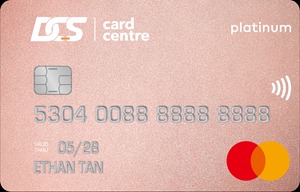
How Stolen Credit Card Numbers are Obtained
Criminals acquire stolen credit card information through various methods, including:
- Phishing Scams: Fraudulent emails or websites trick users into providing their personal information.
- Data Breaches: Cyberattacks on companies that expose sensitive credit card details.
- Card Skimming: Devices installed on ATMs or point-of-sale terminals steal card data during transactions.
- Malware: Software that infiltrates devices to extract financial information.
The Marketplace for Stolen Credit Cards
Once acquired, stolen credit card numbers can be sold on various dark web forums and marketplaces. Buyers typically seek cards with high credit limits and minimal usage history to maximize their chances of success. The price for such details varies based on several factors:
- Card Validity: New or less-used cards are more valuable.
- Credit Limit: Higher limits fetch higher prices.
- Geographic Location: Certain regions may be more lucrative due to less stringent security measures.
Risks Associated with Stolen Credit Card Use
Using stolen credit card numbers involves significant risks, not just for the victims but also for the perpetrators:
- Legal Consequences: Buying or using stolen credit cards can lead to criminal charges, resulting in severe penalties.
- Financial Repercussions: Identity theft can lead to enormous financial losses for victims and long processes to recover funds.
- Ethical Issues: Engaging in such activities harms individuals whose data has been compromised.
Preventive Measures
To guard against the dangers posed by dark web stolen credit card numbers, individuals and businesses can take specific steps:
- Use Credit Monitoring Services: Regularly monitor credit scores and receive alerts for suspicious activities.
- Implement Strong Passwords: Use unique, complex passwords for online accounts and change them regularly.
- Educate Yourself: Stay informed about the latest scams and security threats related to financial transactions.
- Utilize Two-Factor Authentication: Enable this feature for an extra layer of security on accounts.
FAQs
What should I do if my credit card information is stolen?
Immediately contact your bank or credit card company to report the theft, monitor your accounts for unauthorized transactions, and consider placing a fraud alert with credit reporting agencies.
Can dark web activities be traced?
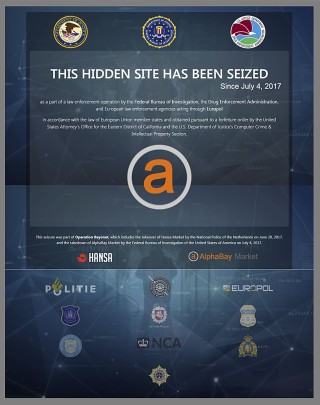
While the dark web offers some anonymity, law enforcement agencies have tools and techniques that can track illegal activities, including the sale of stolen credit card numbers.
Is it possible to recover stolen funds?
In some cases, financial institutions may reimburse victims for unauthorized transactions, but the process can be lengthy and complex.
By understanding the dynamics of dark web stolen credit card numbers, individuals can take proactive measures to protect themselves from the risks associated with this shadowy aspect of the internet. Awareness and education are vital tools in the fight against cybercrime.