The evolution of digital currencies has transformed many sectors, including the illicit marketplace. Among these, the bitcoin drugs market has gained notoriety for its integration of cryptocurrency in transactions that facilitate drug distribution. Understanding this complex environment is crucial for public awareness and safety. This article will delve into the workings, implications, and countermeasures surrounding the bitcoin drugs market.
Is your sense that cryptomarkets are a positive development? These are the kinds of groups that wouldn’t necessarily have a big presence on cryptomarkets anyway, because to access a cryptomarket you need a bank account, you need a computer, you need a minimum amount of technical proficiency and expertise. Even if law‐enforcement actors cannot resolve the encryption of cryptomarkets, they will continue to develop techniques for intervention.
Understanding the Bitcoin Drugs Market
- As traditional methods of trafficking faced increased scrutiny and law enforcement pressure, the cartel turned to digital currencies to facilitate discreet transactions.
- Because "good news doesn't matter" In the "depths" of a crypto winter, as seen in 2018 and 2022, for example, according to Hougan.
- The Silk Road offered over 24,400 products related to drugs for sale and an infrastructure that made these transactions.
- I think the stakes are really high for law enforcement.
- Its pseudonymous nature allows buyers and sellers to operate with reduced risk of detection, fostering a growing crypto payments drugs ecosystem.
Because cryptomarkets bring together multiple vendors for particular substances in a potentially global market‐place 3, drug buyers can locate alternative sellers more easily. Following this suggestion, we consider the potential for cryptomarkets to increase or decrease the harms and benefits related to each unit of drug use, with specific attention to the quality of drugs sold and the non‐drug‐related harms and benefits for customers. Although mainstream media reports tend to focus upon the dangers posed by cryptomarkets 13, there has been limited specific examination of what harms cryptomarkets may produce for users, or ways in which cryptomarkets may reduce drug‐related harm while increasing benefits to market participants. Cryptomarkets are on‐line market‐places that host multiple sellers or ‘vendors’; provide participants with anonymity though their hidden web location and payment by cryptocurrencies such as ‘bitcoin’; and aggregate and display customer feedback ratings and comments 1. There is an emerging and rapidly growing evidence base connected to the macro and micro harms and benefits of cryptomarkets for drug users.
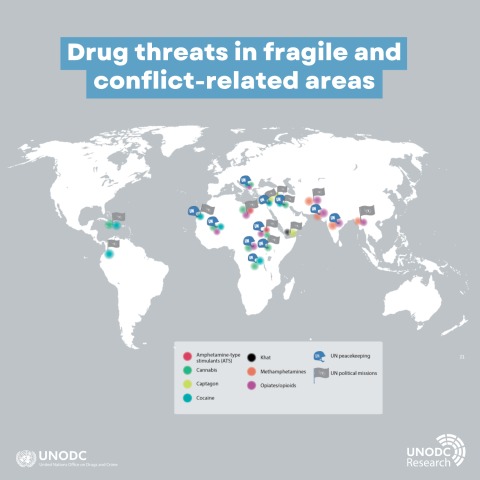
The bitcoin drugs market primarily operates through dark web platforms, which remain hidden from standard search engines. By using cryptocurrencies like Bitcoin, users can make transactions anonymously, making it challenging for law enforcement to trace illegal activities. The allure of anonymity has led to an increase in the number of vendors and buyers engaging in this underground economy.
The Mechanics of Transactions
In the bitcoin drugs market, transactions are facilitated by the blockchain technology that underpins Bitcoin, providing a transparent and immutable ledger of all exchanges. While this transparency might suggest traceability, the pseudonymity of users effectively obscures their identities. Users typically need to set up a digital wallet to store their Bitcoin, which they can acquire through exchanges or peer-to-peer platforms.

When purchasing drugs, buyers navigate through various listings on dark web marketplaces. These platforms often provide user reviews and ratings, similar to traditional e-commerce sites, which can help buyers make informed decisions about the vendors they choose to engage with. Once transactions are agreed upon, payment is made in Bitcoin, and the vendor ships the product, often using covert methods to avoid detection.
Risks Involved in the Bitcoin Drugs Market
While the bitcoin drugs market may promise anonymity and convenience, it comes with significant risks. Law enforcement agencies are increasingly employing advanced technologies to combat these activities, leading to arrests and site shutdowns. Additionally, buyers face the risk of scams; there is no guarantee that they will receive the products they pay for. Moreover, the quality and safety of the drugs purchased from these markets are highly questionable, posing severe health risks.
- They are capitulating, spooked by a 35% drop from the $126,000 all-time high.
- Not to mention that liquidity, since the Oct. 10 crash (which has many pointing fingers at Binance), has never recovered, making market dynamics even more fragile heading into this weekend.
- This price surge is particularly burdensome for consumers paying out-of-pocket, as it compounds existing challenges in healthcare affordability.
- The latter derives from the possibility that some potential drug users may lack the knowledge and contacts required to access drugs in off‐line markets, or may be reluctant or deterred from doing so, but comparatively comfortable in making purchases in an anonymous, virtual market‐place.
Countermeasures and Legal Implications
Governments and law enforcement are actively working to disrupt the bitcoin drugs market. Initiatives involve monitoring known dark web platforms, employing cyber security experts, and collaborating internationally to ensure that drug trade routes are intercepted. Legislative actions are also undertaken to regulate cryptocurrencies, aiming to diminish their use in illegal activities.
Raising Awareness
Public awareness is crucial in fighting the surge of the bitcoin drugs market. Educating individuals about the risks associated with engaging in illegal drug transactions and the potential legal ramifications can deter participation. Ultimately, an informed public is a vital frontline defense against the proliferation of drug trafficking facilitated by cryptocurrency.
Conclusion
As Bitcoin and other cryptocurrencies continue to evolve, so too does their role in illicit markets. The bitcoin drugs market exemplifies the darker side of digital currency, highlighting the need for awareness and proactive measures. By understanding its workings and the associated risks, individuals can better navigate the complexities of this shadowy landscape.