The darknet bitcoin market represents a complex and often misunderstood segment of the internet. This hidden layer of the web operates independently, accessible only through specific software, configurations, or authorization, offering users a level of anonymity that is not typically available on the surface web. As digital currencies, particularly Bitcoin, have gained acceptance, the intersection of these technologies has fostered a unique marketplace that plays a significant role in discussions about digital finance, cyber security, and legal implications. Understanding the dynamics of the darknet bitcoin market is crucial not just for potential users, but also for those interested in the broader implications of cryptocurrency.
Understanding the Darknet
The darknet refers to parts of the internet that are intentionally hidden and cannot be accessed using standard web browsers. It is a space where voice and privacy are pivotal, allowing users to communicate and conduct business out of the view of law enforcement or governmental scrutiny. While often associated with illegal activities, the darknet also serves as a platform for free speech, privacy-focused communications, and whistleblowing activities.
Bitcoin's Role in the Darknet
Within this covert environment, Bitcoin plays a crucial role as the primary currency used for transactions. Its decentralized nature and pseudonymous transactions make it an appealing choice for users seeking privacy. Unlike traditional currencies, Bitcoin does not rely on central banks or financial institutions, which adds an additional layer of anonymity to transactions. This has led to the proliferation of various markets where users can buy and sell goods and services, ranging from legal products to illicit items.
How the Darknet Bitcoin Market Operates
The mechanics of the darknet bitcoin market are fascinating yet complex. Users typically access these markets via specialized software, such as Tor, which anonymizes users' identities and locations. Marketplaces on the darknet facilitate the exchange of goods and services through escrow systems that protect both buyers and sellers. Ratings, reviews, and vendor reputations are critical in maintaining trust among users, as the lack of regulation creates both opportunities and risks.
Legal and Ethical Implications
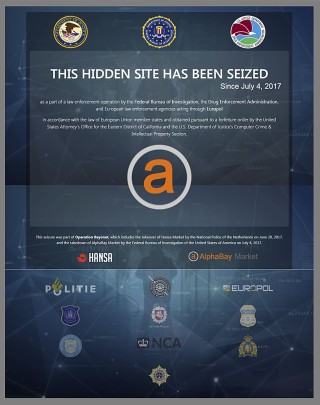
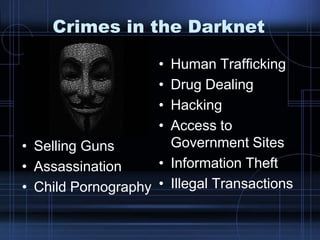
The existence of the darknet raises numerous legal and ethical questions. While many uses of the darknet can be seen as legitimate, such as advocating for freedom of speech in oppressive regimes, it is also a breeding ground for unlawful activities, including drug trafficking and arms sales. Users must weigh the risks and benefits of engaging in these markets. Law enforcement agencies worldwide are increasingly focusing their efforts on monitoring and regulating these activities, leading to arrests and market shutdowns.
Risks Associated with the Darknet Bitcoin Market
Engaging with the darknet bitcoin market comes with significant risks. Users may encounter scams, malware, or even theft of their Bitcoin. Additionally, there can be severe legal consequences for participating in illegal transactions, even unwittingly. Thus, the importance of using the darknet cautiously cannot be overstated. Individuals must conduct thorough research and consider the broader repercussions of their actions.
Staying Informed and Safe
For those who wish to explore or learn about the darknet bitcoin market, staying informed is paramount. Understanding the technology behind Bitcoin, the operational dynamics of darknet markets, and the associated risks can prepare individuals to make better decisions. Resources like forums, educational articles, and expert talks can provide valuable insights into navigating this complex digital landscape responsibly.
In conclusion, the darknet bitcoin market illustrates the dual-edged nature of technology in contemporary society. As it evolves, so too will its implications for privacy, legality, and ethics. Awareness and education are essential in navigating this intriguing aspect of the internet.