
He recommends verifying market employees carefully, and to weed out law enforcement infiltration through barium meal tests. To protect against guard node deanonymization he recommends obfuscating traffic by investing in Tor relays which the market site will exclusively use. Patterns recommended to avoid include hiring hitmen like Dread Pirate Roberts, and sharing handles for software questions on sites like Stack Exchange.
- Cybersecurity has to also cover everything physically on your computer too—which law enforcement or government authorities might have the right to seize if they come calling.
- Personally identifying information, financial information like credit card and bank account information, and medical data from medical data breaches is bought and sold, mostly in darknet markets but also in other black markets.
- Download Norton 360 Deluxe to help secure your device, block scams, and stay private online.
- You don’t need special tools or a special browser like you need to access the dark web (more about that later).
The dark web is a part of the internet that holds a mysterious allure and a significant level of intrigue. It is not indexed by traditional search engines and often requires special software to access. While it is frequently associated with illegal activities, the dark web also serves as a platform for privacy advocates, journalists, and individuals seeking to communicate freely in oppressive regimes. Understanding how to safely navigate this hidden layer of the internet can empower individuals with knowledge and tools for protection, as well as foster an informed conversation about digital privacy and security.
Dark Web Entry
The Tor Project says that of the 2 million people using Tor every day, only 1.5% of them are accessing hidden or dark websites (that’s 30,000 people). The dark web, by contrast, is configured on darknets — online networks that can be accessed only with special software and techniques. The difference between the dark web and the deep web is that the deep web refers to websites and web pages that aren’t indexed by search engines, like login pages and payment portals. The dark web is a subset of the deep web, which is all content on the internet that isn't indexed by search engines. The dark web refers to content on the internet that is intentionally hidden and requires special software like Tor Browser to access.
- For example, if you log on to your medical provider's website to send messages to your doctor or to check your latest test results, that's the deep web.
- If you want to improve your security further, you could also use a VPN at the same time as Tor.
- Some speculated that Ulbricht had covertly given himself this gift from Bitcoin he had hidden away before he went to prison.
- Chances are you can find it at the Imperial Library, one of the most popular sites on the dark web.
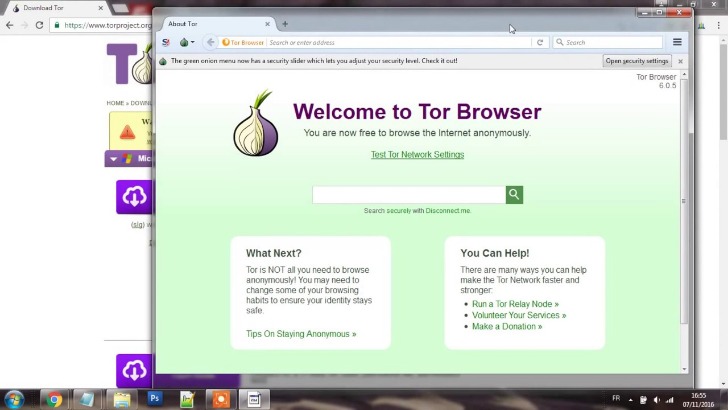
Gaining entry to the dark web is not as daunting as it may seem, but it does require careful preparation. The most common method for accessing this hidden area is through the use of specific browsers designed to ensure anonymity, such as Tor. This browser allows users to access websites that end with a .onion domain, which are exclusive to the dark web.
Step-by-Step Process for Accessing the Dark Web
Here’s a brief overview of how to enter the dark web safely:
- Download the Tor Browser: Start by visiting the official Tor Project website to download the Tor Browser. It is crucial to make sure you're downloading from the official site to avoid malicious software.
- Install the Tor Browser: Follow the installation instructions specific to your operating system. Ensure you set it up in a secure environment to maintain your privacy.
- Connect to the Tor Network: Launch the Tor Browser and click “Connect.” This action will route your internet traffic through multiple Tor nodes, masking your IP address.
- Explore with Caution: Once connected, you can enter .onion links in the browser’s address bar. However, only access reputable sites, as many on the dark web can pose risks to your security.

Important Considerations for Safety
While the **dark web** can provide anonymity, it is essential to remain vigilant. Here are some safety tips:
- Use a VPN: A VPN (Virtual Private Network) adds an extra layer of security by encrypting your internet traffic.
- Avoid Personal Information: Do not share any personal details that could compromise your identity.
- Be Aware of Scams: Many sites on the dark web can be scams. Always conduct thorough research before engaging in any transactions.
Understanding the Dark Web's Purpose
The dark web is often misconceived as merely a marketplace for illegal goods and services. However, it also serves essential functions such as:
- Privacy Protection: Individuals living under oppressive political systems can use the dark web to communicate safely.
- Whistleblower Platforms: Journalists and activists can share information and protect their sources.
- Research Purposes: Scholars studying cybersecurity and digital anonymity can analyze the dark web to understand its implications.
In conclusion, while accessing the dark web can come with significant risks, understanding its structure and purpose is vital for anyone seeking to navigate this complex aspect of the internet. Being well-informed about the potential dangers and safe practices can help individuals make conscious decisions about their online activities.