The dark web, often shrouded in mystery and intrigue, is a digital space where anonymity reigns supreme. Among the various illicit activities that occur in this hidden realm, carding stands out as a particularly concerning practice. Understanding how carding works and its implications is essential for individuals looking to protect themselves in the digital age. This article delves into the intricacies of carding on the dark web, shedding light on its functioning and the potential risks associated with it.
- The practice drives significant financial losses, fuels identity theft, and remains a persistent threat across the cyber crime landscape.
- The use of cryptocurrency on dark web marketplaces has further facilitated carding operations.
- Facebook’s onion mirror allows people to access it in countries that block the platform, allowing people to connect across digital borders.
- Protect your devices with strong passwords and encryption to prevent unauthorized access.
- The dark web is made up of websites that are hosted on networks that use onion routing, a type of encryption that makes it difficult to trace the source or destination of traffic.
What is Carding?
As described previously, the initial stage involves purchasing stolen credit card details from dark-web marketplaces. Before making a purchase, experienced buyers often validate the authenticity and usability of the offered credit card data using online tools known as card checkers. Once on the dark web, users navigate to illicit marketplaces through hidden “.onion” websites, accessible exclusively via Tor browsers. Purchasing stolen credit cards on the dark web follows a structured yet discreet procedure designed to protect both buyers’ and sellers’ identities.
Cybercriminal groups such as DDOS"4" have led to over 140 cyberattacks on companies since the emergence of bitcoins in 2014. These marketplaces are similar to that of eBay or Craigslist where users can interact with sellers and leave reviews about marketplace products. Silk Road was one of the first dark web marketplaces that emerged in 2011 and has allowed for the trading of illegal drugs, weapons and identity fraud resources. Commercial darknet markets mediate transactions for illegal goods and typically use Bitcoin as payment.
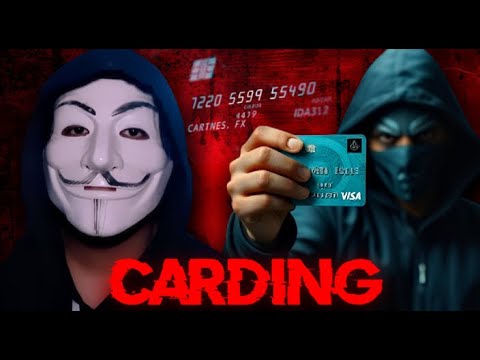
Carding refers to the illegal practice of using stolen credit card information to make purchases or commit fraud. This activity often thrives on the dark web, where cybercriminals buy and sell compromised credit card credentials with relative anonymity.
How Does Carding Work?
Carding typically involves several steps:
- Acquisition of Stolen Data: Cybercriminals obtain credit card information through various methods, including data breaches, phishing schemes, and malware.
- Verification: Before using the stolen cards, carders often verify them using specific tools that check for validity and available credit.
- Purchases: Once verified, they use the stolen information to make purchases on e-commerce sites or convert it into cash through various methods.
The Dark Web Marketplace
The dark web hosts numerous marketplaces dedicated to carding. These platforms facilitate the buying and selling of stolen credit card information, often protected by sophisticated encryption to safeguard the identities of users. Some characteristics of these marketplaces include:
- Access requires special software, typically Tor, to ensure anonymity.
- Payment is often made using cryptocurrencies to further obscure the transactions.
- Reviews and ratings are common, creating a trust system among users.
Risks and Consequences of Carding
Engaging in carding carries significant risks, both legally and financially:
- Severe legal penalties, including imprisonment.
- Financial loss for victims whose credentials were stolen.
- Damage to credit ratings for those affected by identity theft.
Protecting Yourself from Carding

Being informed is the first step in protection against carding. Here are some strategies to help safeguard your credit card information:
- Use strong, unique passwords for your online accounts.
- Enable two-factor authentication whenever possible.
- Regularly monitor your bank statements for unauthorized transactions.
- Be cautious when sharing personal information online.
Frequently Asked Questions
What should I do if I suspect my card information has been compromised?
Contact your bank immediately to report unauthorized transactions and consider freezing your account.
Can I recover lost funds due to carding?
Many banks have fraud protection policies that can help recover lost funds, but prompt reporting is crucial.
Is the dark web dangerous for regular users?
While the dark web does contain illegal activities, it's also used for privacy-preserving purposes; however, caution is advised when navigating it.
Understanding carding and its implications not only highlights the dark underbelly of online transactions but also emphasizes the importance of cybersecurity. Awareness and proactive measures are key to ensuring safety in an increasingly digital world.