The internet has transformed countless aspects of daily life, including the world of finance. Unfortunately, it has also given rise to a darker side—the credit card black market websites. These platforms facilitate the trade of stolen credit card information and other fraudulent goods, posing significant risks to consumers and businesses alike. Understanding how these websites operate is essential for safeguarding personal information and navigating the complexities of online security.
Credit Card Black Market Websites
- Authorities worldwide collaborate to track and prosecute individuals involved in the trade of compromised financial information.
- There’s a wealth of information shared among carders—from how to bypass anti-fraud systems to practical guides on using stolen credit cards—all of which helps keep the ecosystem active and evolving.
- By 2024, it was widely described as the leading Western Market for activity and visibility, effectively functioning as a “one-stop” illicit marketplace for a broad range of contraband categories.
- The Citi® / AAdvantage® Platinum Select® World Elite Mastercard is designed for travelers, which is why there are no foreign transaction fees.1
- This further complicates monitoring efforts because now you need to search for the related Telegram channels and track activity there and on the marketplace itself.
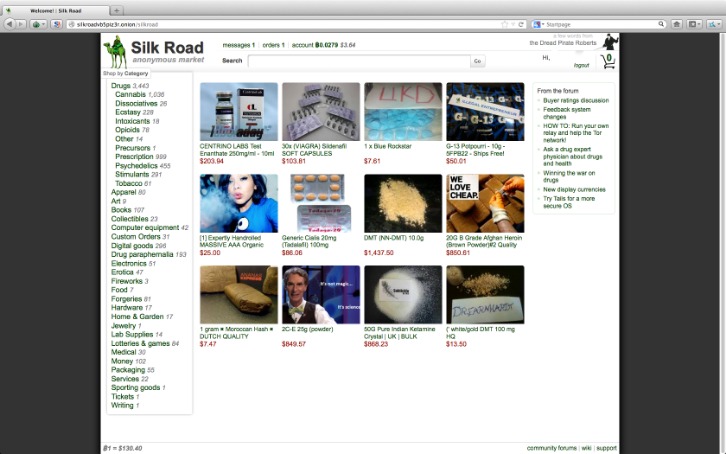
While legitimate platforms offer budgeting calculators and fraud alerts, black market websites credit cards misuse similar tools to facilitate illegal transactions. Researchers gathered data from 13 dark web marketplaces, where they found over 200 listings for stolen PayPal accounts and about 400 listings for credit cards. Earlier this year, the Italian cybersecurity firm D3Lab found that a gang of hackers had posted more than 1 million stolen credit cards for free to promote a criminal marketplace called AllWorld.cards, according to CPO Magazine. A dark web carding market named 'BidenCash' has released a massive dump of 1,221,551 credit cards to promote their marketplace, allowing anyone to download them for free to conduct financial fraud. The black market for credit cards thrives in the shadows of the internet, where illegal credit card sales fuel financial fraud and money laundering on a global scale.
In addition to PayPal account balances, they can also transfer money from any connected bank accounts or credit cards. So unlike credit cards, prices for PayPal accounts and transfers have gone up during the pandemic by 293 percent. That means buyers pay about 9.2 cents per dollar in the PayPal account, which is almost double the price-to-credit limit ratio on physical credit cards. Due to limited data on credit cards from other countries, we were unable to adequately compare prices for credit cards from different places. For this study, the researchers focused on PayPal accounts and credit cards.
Credit card black market websites refer to online platforms where illicit activities, such as trading stolen credit card data, fraudulent transaction tools, and other illegal financial activities, take place. These sites often use various measures to maintain anonymity and evade law enforcement.
How Do These Websites Function?
Black market websites typically operate on the following principles:
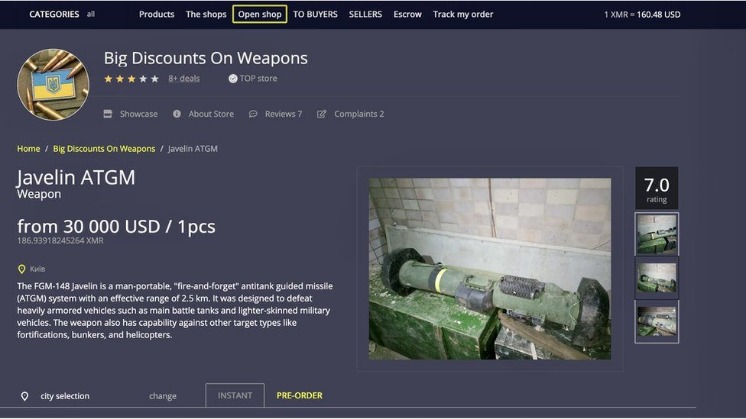
- Anonymous Transactions: Most transactions are made using cryptocurrencies, which provide a layer of anonymity.
- Access to Stolen Data: Sellers offer databases filled with stolen credit card information, often categorized by the card issuer and country.
- Fraudulent Tools: In addition to selling card information, these platforms may provide tools and guides on how to exploit this data.
- Product Reviews: Just like legitimate e-commerce sites, users often leave reviews about the quality of the stolen data or services provided.
Common Features of Credit Card Black Market Websites
These websites may vary in appearance and structure, but they often share certain features:
- Dark Web Accessibility: Many of these platforms exist on the dark web, accessible only through specific software like Tor.
- User Registration: To engage in transactions, users frequently need to register and create profiles.
- High Security Measures: These sites employ encryption and other security protocols to protect their operations and users.
- Customer Support: A surprising number provide customer service to resolve disputes or answer questions about purchases.
Legal Implications
Participating in or even browsing credit card black market websites can have serious legal consequences:
- It is illegal to purchase stolen data.
- Law enforcement agencies monitor these websites, and users can be tracked.
- Involvement in these transactions can lead to hefty fines and criminal charges.
Protecting Yourself from Credit Card Fraud
To shield yourself from the dangers associated with credit card black market websites, consider the following strategies:
- Monitor Financial Statements: Regularly check your bank and credit card statements for unauthorized transactions.
- Enable Alerts: Set up notifications for transactions on your accounts to catch anything suspicious promptly.
- Use Strong Passwords: Ensure that all online accounts are secured with robust and unique passwords.
- Install Anti-Virus Software: Protect your devices from malware that can steal sensitive information.
- Educate Yourself: Stay informed about online scams and the latest fraud tactics.
- Carding has long been a prevalent form of online crime—and it remains a serious threat.
- Tor2door is recorded as ending on 14 September 2023 due to an exit scam, so it should not be treated as an active marketplace in 2026.
- The stolen black market data is then often packaged and sold on dark web marketplaces.
- Users are strongly advised to avoid these platforms and report any suspicious activity to relevant authorities.
FAQs
1. What should I do if I suspect my credit card information has been stolen?
Immediately contact your bank or credit card issuer to report the theft. They can help you secure your account and investigate the fraudulent charges.
2. How can I tell if a website is part of the black market?
Look for indicators such as unusual domain names, lack of contact information, or reviews discussing illegal activities.
3. Is it safe to browse the dark web?
Browsing the dark web can expose you to cyber threats. It’s crucial to take necessary precautions and use secure browsing tools.
Understanding credit card black market websites is vital in today’s digital age. By being informed about their operations and implementing protective measures, individuals can better safeguard their financial information and reduce the risk of falling victim to fraud.