The dark web is often shrouded in mystery and misconceptions, making it a topic of intrigue for many. However, understanding how to browse dark web safely and responsibly can be crucial for information retrieval and privacy protection. This article aims to demystify the dark web, outlining its purpose, access methods, potential risks, and safety measures to ensure a secure browsing experience.
It standardizes many attributes like user agent, time precision, and fonts, and it isolates storage per site. Verifying onion addresses and keeping systems clean matter. Onion services remove exits, which is good, but phishing, malware, and scams still exist. Keep mobile browsers updated and avoid multitasking with sensitive content.
What is the Dark Web?
- Even legitimate software can create risk through telemetry and cached data.
- The dark web comes with its own set of tools and services, including web browsers and search engines (which I'll get on to in a moment).
- The dark web, for the uninitiated among you, is a virtual neighborhood beyond the borders of the normal, everyday internet (which includes the website you're looking at right now).
- The story hints at why taking dark web safety measures is essential, even if you are jumping into the dark side of the internet only because of some curiosity.
- Good starting points are the Onion Directory and the Hidden Wiki.
The dark web refers to parts of the internet that are not indexed by conventional search engines. Unlike the surface web, which hosts commonly accessed websites, the dark web requires specific software to access and is often associated with both legitimate and illicit activities. Here’s a quick breakdown:
- Surface Web: The accessible part of the internet, comprising about 10% of total internet content.
- Deep Web: Contains information that is not indexed by search engines, including databases, private websites, and more.
- Dark Web: A small portion of the deep web that requires special tools to access, often linked to anonymous communication.
How to Browse the Dark Web Safely
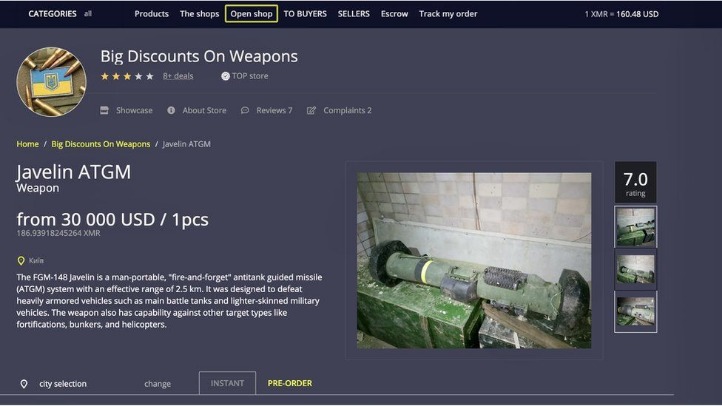
Accessing the dark web involves using specific tools that ensure your identity and activity remain anonymous. Below are the necessary steps to browse dark web safely:
-
Download Tor Browser
Tor (The Onion Router) is the most popular browser for accessing the dark web. It provides anonymity by routing your connection through multiple servers.
-
Use a VPN
A Virtual Private Network (VPN) adds an extra layer of security by masking your IP address and encrypting your internet connection.
-
Be Mindful of What You Share
Do not disclose personal information, as the dark web can be a breeding ground for identity theft and other cybercrimes.
-
Stick to Trusted Sites
Before exploring, do thorough research on the sites you plan to visit. Reputable forums and user reviews can help in identifying trustworthy sources.
-
Use Cryptocurrency
If engaging in transactions, consider using cryptocurrencies like Bitcoin for added anonymity, but understand the risks involved.
Potential Risks of Browsing the Dark Web
- For example, cyberattacks and trafficking are activities that the participants know will be incriminating.
- It lets you access both the dark and regular web (although not optimized for clearnet access like Tor).
- I2P, or The Invisible Internet Project, is an anonymity tool that is entirely different one when you compare it to Tor.
- Law enforcement agencies frequently target sites that distribute child pornography.
- The "Small Form Factor" (SFF) movement's gone mainstream, proving that you can fit an RTX 5080 and a top-tier CPU into a case the size of a shoebox.
While browsing the dark web can be intriguing, it's essential to be aware of potential risks, including:
- Exposure to illegal content, which may lead to legal consequences.
- Scams and fraudulent schemes targeting unsuspecting users.
- Malicious software that can infect your device and compromise personal data.
Frequently Asked Questions
Is it illegal to browse the dark web?

No, browsing the dark web itself is not illegal. However, accessing certain content or engaging in illegal activities is against the law.
Can I use regular search engines to find dark web sites?
No, the dark web requires specialized tools like the Tor browser. Regular search engines do not index these sites.
Is my information safe while browsing the dark web?
Your information is at risk if proper precautions are not taken. Always use a VPN and be cautious about the personal data you share.
Conclusion
Understanding how to browse dark web safely is vital in today’s digital age. By following the steps outlined in this article, you can navigate the complexities of the dark web while minimizing risks. Stay informed, be cautious, and prioritize your safety.