The dark web is often shrouded in mystery and intrigue, captivating the imagination of many. While it has gained notoriety for illegal activities, it is also a haven for privacy, free speech, and access to information. Understanding how to access the dark web safely and legally can empower individuals to explore its depths responsibly. This article will guide you through the essentials of accessing the dark web, its potential benefits, and the precautions necessary to maintain safety and privacy.
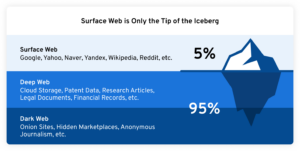
Well, for one, each part serves a unique purpose and operates under varying levels of visibility and accessibility. It’s a place where privacy enthusiasts, journalists and those living under oppressive regimes can operate with a degree of anonymity. The dark web is like the mysterious basement of the internet — dimly lit, a little spooky and filled with stuff you probably shouldn’t touch. It’s like a secret alleyway (say Diagon Alley from “Harry Potter”) in the sprawling city of the internet, known only to those who seek it out. User safety depends more on browsing discipline than search engine claims.
Accessing Dark Web
To begin your journey into the dark web, it’s crucial to understand what it is and how it functions. The dark web is a part of the internet that isn't indexed by traditional search engines. It requires specific software, configurations, or authorization to access. Here’s a comprehensive guide:
- Dark web monitoring services track domain registrations, phishing kits, and brand abuse discussions to enable takedown requests before campaigns launch.
- Because dark web sites can go live and offline very quickly, you need a regularly updated guide.
- Tor’s onion routing method reroutes your data through a series of independent nodes.
- Besides the illegal activities on the Dark Web, political dissidents and privacy advocates also use it for anonymity.
- Most deep web content can be reached from the open internet with the right credentials.
1. What You Need to Access the Dark Web
- Tor Browser: The most popular tool for accessing the dark web. It anonymizes your web traffic using multiple layers of encryption.
- VPN: A Virtual Private Network adds an extra layer of privacy and security by masking your IP address and encrypting your internet connection.
- Secure Operating System: Consider using operating systems like Tails or Qubes, designed for privacy and anonymity.
2. Downloading and Installing Tor Browser
- Visit the official Tor Project website.
- Download the Tor Browser for your operating system.
- Install the browser, following the prompts.
- Launch the Tor Browser and connect to the network.
3. Navigating the Dark Web Safely
- Results load quickly, allowing fast navigation between sites
- We’re all familiar with what’s called the Surface Web, or Clear Web, which are all the sites that you find when Googling for information.
- If you choose to access it, you should do so from a sandboxed computer with strong security controls.
- Gain insights to prepare and respond to cyberattacks with greater speed and effectiveness with the IBM® X-Force® threat intelligence index.
Once you have accessed the dark web, understanding how to navigate safely is crucial. Here are some tips:
- Stick to .onion Sites: These are special domain extensions accessible only through Tor and are generally safer than regular sites.
- Avoid Sharing Personal Information: Keep your identity and personal data private to avoid potential risks.
- Be Wary of Downloads: Files from the dark web may contain malware or harmful content.
4. The Benefits of Accessing the Dark Web
While the dark web often has a negative connotation, there are legitimate reasons to access it:
- Privacy: The dark web can provide a platform for individuals seeking to share information freely without government surveillance.
- Whistleblowing: It allows whistleblowers to report corruption or injustices with anonymity.
- Access to Censored Information: In regions with restricted information flow, the dark web can facilitate access to a wealth of knowledge that may be otherwise unavailable.

FAQs About Accessing the Dark Web
Q: What is the dark web?
A: The dark web refers to parts of the internet that are not indexed by search engines and require specific software to access, mainly known for its focus on anonymity.
Q: Is it illegal to access the dark web?
A: Accessing the dark web itself is not illegal; however, engaging in illegal activities on the dark web is against the law.
Q: Is my information safe on the dark web?
A: While the dark web can offer privacy, it is essential to take precautions to protect your information, such as using a VPN and avoiding the sharing of personal data.
Q: Can I use regular search engines to find dark web sites?
A: No, traditional search engines do not index dark web sites. You will need to use specific directories or forums within the dark web to find .onion sites.
In conclusion, accessing the dark web is a complex process that demands careful consideration and responsibility. By following this guide, you can navigate this hidden part of the internet safely and make informed choices about your online presence.