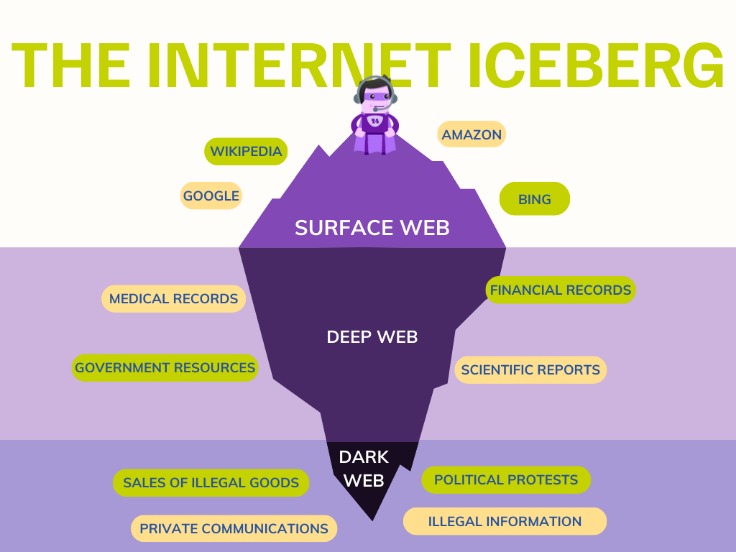
The internet is a vast realm that extends far beyond the surface web that most people use every day. Hidden beneath its layers lies another world known as the dark web. Understanding this part of the internet is crucial for users seeking both information and security. This article aims to inform readers about browsing the dark web, the potential risks involved, and the implications of accessing its contents.
Browsing The Dark Web
It’s been around for many years and helps users navigate the dark web by curating links to various resources. Concerns about how Meta treats user data have led many people to delete their Facebook profiles or at least limit their social media presence. DuckDuckGo is a privacy-focused search engine that works as Tor browser’s primary search engine.
- Credentials and identity records move through dark web marketplaces, private forums, and broker networks.
- With the growing abilities of corporations to monitor and collect our data, the core principle upon which the dark web exists is now more relevant than ever.
- In opennet mode, the network will automatically assign you to other users on Freenet’s network.
- If you want to be extra safe, routing your connection through a VPN and then accessing the dark web using the Tor browser provides more security than Tor alone.
When discussing browsing the dark web, it’s essential to clarify what it entails. The dark web is not easily accessible through standard web browsers, and it requires specialized software to enter its hidden corners. One of the most commonly used tools for this purpose is the Tor browser, which enables users to access websites that operate on .onion domains.
While breach statistics often focus on volume, the more critical question for defenders is how long that data remains helpful to attackers. This process explains why exposure to the dark web is such a strong predictor of future attacks. Telegram serves as a distribution layer, while the dark web serves as the storage and trust layer. Without it, buyers risk paying for recycled or fake data, which is why established forums and vendors play such a central role. Other criminals test samples to confirm that credentials work or that personal data is legitimate.
The most prevalent illicit products are pharmaceutical and recreational drugs, followed by stolen data, online bank account credentials and credit card numbers. Keep in mind that in some regions like China and Russia, it’s illegal to use anonymizers. A lot of illegal activity takes place on the dark web, and engaging in any of that activity can be a criminal offense. No, the dark web isn’t illegal, but what you do while in the underbelly of the internet matters. The worst part of the network is that you don’t have control over the nodes your traffic is routed through.
Why Do People Browse the Dark Web?
The motivations behind browsing the dark web can vary significantly. Some of the primary reasons include:
- Privacy and Anonymity: Many individuals seek to protect their identity and online activity.
- Access to Uncensored Information: In some countries, the dark web serves as a platform for sharing information that may be suppressed by the government.
- Research Purposes: Journalists, academics, and law enforcement may explore the dark web to understand criminal activities or gather intelligence.
Potential Risks of Browsing the Dark Web
While browsing the dark web can be intriguing, it is important to be aware of the inherent risks:
- Exposure to Illegal Content: Users may inadvertently encounter illegal marketplaces selling drugs, weapons, and stolen data.
- Scams and Fraud: Many sites on the dark web are set up for fraudulent activities and scams targeted at unsuspecting users.
- Malware Risks: The dark web is rife with threats that can compromise your devices and personal data through malicious software.
How to Browse the Dark Web Safely
- You can now safely browse dark web websites and hidden wikis, but if you plan to do anything more than that, you’ll need to take several precautions.
- You can find almost every kind of computer virus and malware on the dark web, which is why it’s a primary source for spreading these digital threats.
- Designed for anonymity, it enables private communication but also supports a growing underground economy.
- Your ISP can’t see which websites you’re visiting on the dark web when you’re using Tor, but they might be able to predict or assume you are using Tor if they analyze your monitored internet traffic.
- Despite its legitimate uses, cryptocurrency’s untraceable payment nature has raised concerns around money laundering and illicit trade, driving regulatory scrutiny.
If you choose to explore the dark web, there are safety measures you should adopt to protect yourself:
- Use a VPN: A Virtual Private Network (VPN) can enhance your online privacy and protect your identity.
- Download the Tor Browser: This browser is specially designed to access .onion sites while ensuring anonymity.
- Stay Informed: Always keep yourself updated on the latest security threats related to the dark web.
- Avoid Sharing Personal Information: Any revealing information can be exploited, so it’s vital to remain anonymous.
FAQs about Browsing the Dark Web
1. Is it illegal to browse the dark web?
No, browsing the dark web itself is not illegal. However, accessing or engaging in illegal activities is against the law.
2. Do I need special software to access the dark web?
Yes, you will need a specialized browser like Tor to access .onion websites on the dark web.
3. Can I be traced while browsing the dark web?
While the dark web offers increased anonymity, it is not completely untraceable. Law enforcement agencies may use various methods to track users.
Understanding the intricacies of browsing the dark web is vital for anyone interested in this hidden digital domain. By approaching it with caution and knowledge, users can navigate its complexities while prioritizing their safety and privacy.