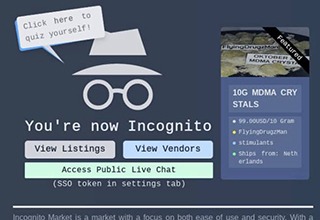
Crimes on the dark web include activities like selling illegal substances, hacking services, and trafficking stolen data. We began our journey by navigating to a few .onion directories to find some ~shady~ websites to peruse. It’s simply a collection of websites that require a specific, anonymity-powered web browser to access.
ZeroFox monitors paste sites, hacker forums, hidden communication channels, TOR services, and thousands of other deep and dark web sources to detect, disrupt, and dismantle cyberattack infrastructure. All password-protected content is part of the deep web, including financial accounts, secure databases, webmail accounts, and subscription websites. Content on the deep web includes private intranets, private member sites, public and private databases, and many other types of hidden content. Law enforcement agencies worldwide monitor the dark web for illegal activities, such as the trafficking of illegal drugs, weapons, and stolen data.
The dark web is a segment of the internet that is not indexed by traditional search engines. It is often associated with illegal activities and illicit goods; however, it also serves as a platform for privacy-conscious users, journalists, and activists seeking to communicate securely. Understanding how to navigate this hidden part of the internet is crucial for both safety and informed usage. This article will guide you through the fundamental aspects of accessing the dark web responsibly and securely.
What is the Dark Web?
The dark web is a part of the deep web, which consists of all the web pages not indexed by search engines like Google or Bing. While the deep web includes benign content such as private databases and academic resources, the dark web specifically refers to sites that require special software to access and often host more controversial content.
Why Access the Dark Web?
There are various reasons individuals may wish to access the dark web. Some believe it provides a space for free speech, particularly in regions where censorship is rampant. Others might seek out resources related to privacy, data protection, and anonymity. However, one must proceed with caution, as the dark web can be a dangerous place filled with scams, hacking services, and illegal activities.
- The public internet or surface web is constructed from visible servers and web content identified by public IP addresses.
- On this free speech platform, users would be able to discuss and share information without the controls of government censorship.
- If you’re just browsing or doing legitimate research, accessing the dark web is fine.
- Simply browsing darknet websites through the Tor browser or using private search engines for research is perfectly legal.
- Also, since illegal and disturbing content abounds, and it is still illegal to access illegal content even if it's harder for the authorities to track you down, click and surf with extreme caution.
- For example, they might claim to have stolen more impressive datasets than they really have in an attempt to drum up business, pressure victims or seem more accomplished.
How to Access the Dark Web Safely
To access the dark web, users typically utilize specific software designed to anonymize their activity. Following are the steps for safely accessing this hidden part of the internet:
1. Install Tor Browser
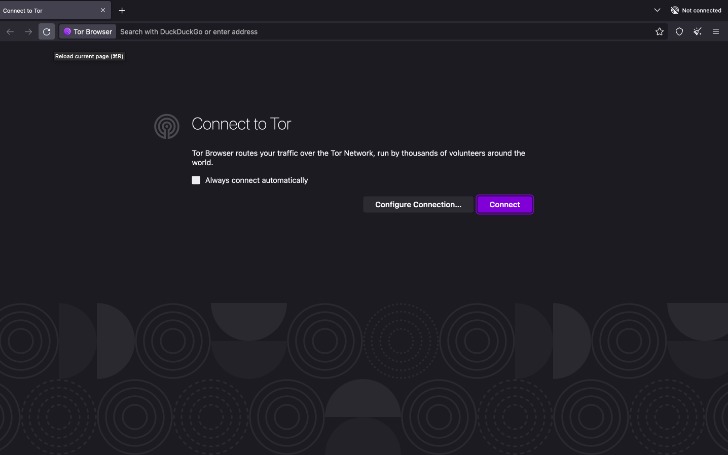
The most common way to access the dark web is through the Tor Browser. Tor allows users to browse anonymously by routing connections through multiple servers. Download the Tor Browser from the official Tor Project website to ensure you receive the legitimate software.
2. Use a VPN
For added security, it’s advisable to use a Virtual Private Network (VPN) alongside Tor. A VPN encrypts your internet connection and hides your IP address, providing an extra layer of anonymity. Make sure to select a reputable VPN service that does not keep logs of your activity.
3. Stay Alert for Scams

The dark web is rife with scams and illicit marketplaces. Always be cautious of the sites you visit and the information you share. Avoid sharing personal data or engaging in transactions without thoroughly vetting the platform.
Navigating Dark Web Content
Once connected to the Tor Browser, you can begin exploring dark web sites, often identified with the .onion extension. It’s essential to know that not all content on the dark web is illegal. There are forums and communities that discuss various topics, including technology, privacy rights, and more.
Search Engines for the Dark Web
Specialized search engines such as Ahmia or Not Evil can help you find content on the dark web without exposing yourself too much. These search engines index .onion sites and can be a valuable resource for navigating this complex environment.
Understanding the Risks
While the dark web can offer anonymity and freedom of expression, it is crucial to recognize the associated risks. Malware, scams, and even law enforcement monitoring are significant concerns. Always prioritize your safety and stay informed about the potential dangers.
Legal Considerations
Accessing the dark web is not illegal. However, engaging in illegal activities once you are there could result in severe consequences. Be aware of the laws in your country regarding internet usage and ensure that your activities remain within legal boundaries.
Conclusion
Accessing the dark web can provide valuable resources and a space for free expression, but it comes with inherent risks. By following the steps outlined above, you can navigate this hidden part of the internet more safely and responsibly. Always prioritize your security and stay informed as you explore the diverse and often misunderstood facets of the dark web.