The article explores the precise types of products that sellers advertise on carding forums. These forums serve as marketplaces for buyers and sellers engaged in fraudulent activities. One particular type of forum, known as carding forums, is infamous for facilitating the trading of financial information.
Understanding the complexities of the internet, particularly the deep web and its various functionalities, is essential for staying informed in today's digital landscape. Among these complexities, carding deep web links has emerged as a significant topic within the realm of online security and illicit activities. This article aims to provide an informative overview of this concept, shedding light on the mechanics involved and the potential risks associated.
For gift card fraud, retailers are prone to be exploited by fraudsters in their attempts to steal gift cards via bot technology or through stolen credit card information. Ultimately, the data may be sold on darknet markets and other carding sites and forums specialising in these types of illegal goods. It is illegal and unethical to engage in activities that exploit stolen credit card information.
What is Carding?
Carding refers to the process of using stolen credit card information to make unauthorized transactions. It often takes place on the deep web, where individuals can purchase and sell sensitive data anonymously. Understanding the techniques and environments used in carding can help individuals protect themselves from becoming victims of such fraudulent activities.
The Deep Web: An Overview
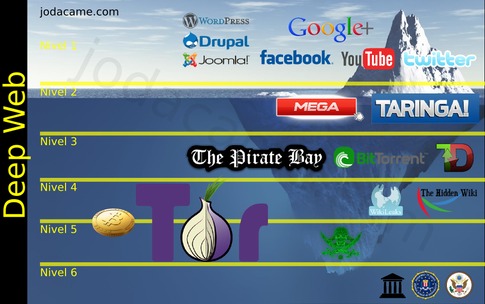
The deep web encompasses parts of the internet that are not indexed by traditional search engines. It includes databases, private corporate sites, and even sections often associated with illicit activities, such as the buying and selling of stolen credit cards. Navigating this space requires specific tools and a strong awareness of potential dangers.
How Carding Works in the Deep Web
Carding operations typically begin with the acquisition of stolen credit card information, often obtained through data breaches or phishing scams. Those engaging in carding will then access specialized forums and marketplaces on the deep web to exchange this information. Here, individuals can find carding deep web links that direct them to stores where they can use the stolen credentials to make purchases.
Tools and Techniques Used in Carding
To successfully navigate the deep web for carding purposes, individuals often employ tools like VPNs and the Tor browser. These tools help mask their identity and encrypt their internet connection, making it harder for authorities to trace their activities. Additionally, knowledge of how to spoof IP addresses and utilize various online payment methods is crucial for those involved in carding.
Risks and Consequences
Engaging in carding poses significant risks. Law enforcement agencies around the world actively monitor deep web activities, and individuals caught participating in illicit transactions can face severe legal repercussions, including substantial fines and imprisonment. Furthermore, the landscape of cybercrime is continuously evolving, with new security measures being implemented to combat these activities.
- For individuals starting a criminal career, the forums are one of the first places they will go, so they are a good place to better understand the criminal pipeline and also anticipate new threats.
- When you try to connect to a .onion website, Tor will route your traffic through three or more randomly chosen nodes before it reaches your destination website.
- Further investigation indicated that B1ack started this marketing campaign in January this year by posting hundreds of free stolen payment cards to build credibility and attract more customers.
- Avoid clicking unfamiliar links, and consider using a VPN for added privacy.
- Even without monitoring your browsing activities, DuckDuckGo will offer decent answers to your questions.
Staying Safe and Informed
For the average internet user, awareness of the mechanics behind carding deep web links is essential to safeguard against identity theft and fraud. Educating oneself about the signs of phishing attempts and securing personal information online can help mitigate risks. Regularly monitoring financial statements and using two-factor authentication on sensitive accounts can further enhance personal security.
Conclusion
The intricate world of carding deep web links is not only a cautionary tale but also a crucial aspect of understanding modern cybersecurity. By exploring these topics, individuals can equip themselves with the knowledge necessary to navigate the digital realm safely and responsibly. Staying informed is the first step toward protection against potential threats in this evolving online landscape.