The darknet has gained significant attention in recent years due to its association with both anonymity and illicit activities. However, it is essential to understand that the dark web search can also serve beneficial purposes, such as protecting privacy and fostering free speech in oppressive regimes. This article aims to provide a comprehensive overview of what a dark web search entails, how to navigate it safely, and the implications of its use.
What is the Dark Web?
The dark web is a part of the internet that is not indexed by standard search engines. Accessible only through specific software, such as Tor (The Onion Router), the dark web allows users to browse the web anonymously. While it is colloquially known for providing access to illegal marketplaces and other nefarious activities, it is also a space where activists, journalists, and individuals seek refuge from censorship and surveillance.
How to Conduct a Dark Web Search
Conducting a search on the dark web requires a different approach than traditional web browsing. Here’s a step-by-step guide:
1. Downloading Tor Browser
The first step in performing a dark web search is to download the Tor Browser. This specialized browser routes your connection through multiple servers, masking your IP address and increasing your anonymity online.
2. Understanding Onion URLs
Dark web search primarily involves navigating through websites with .onion domains. These sites can only be accessed through the Tor network. Familiarizing yourself with directories and forums that list .onion sites can enhance your search experience.
3. Utilizing Search Engines for the Dark Web
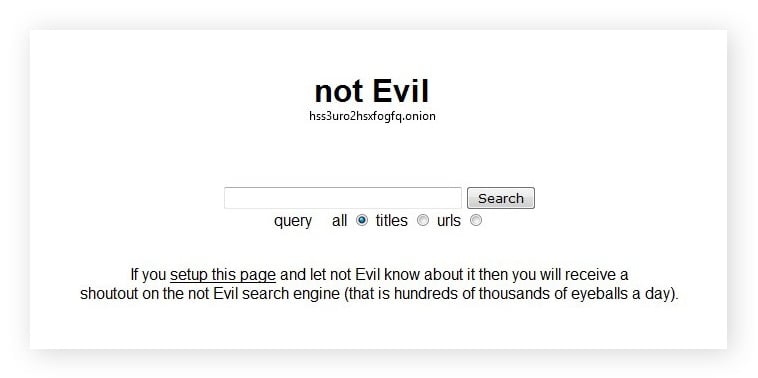
Although traditional search engines won’t work, various search engines specifically designed for the dark web exist, such as DuckDuckGo and notEvil. These platforms allow users to search for specific terms within the unique confines of the dark web.
Safety Precautions for Dark Web Browsing
While the dark web offers various resources, it also poses prominent risks such as malware, scams, and legal implications. Adopting proper safety measures is crucial:
1. Use a VPN
To enhance your anonymity while conducting a dark web search, using a reliable Virtual Private Network (VPN) is advisable. A VPN encrypts your internet connection, further obscuring your identity.
2. Avoid Sharing Personal Information
Never share personal details that can be used to identify you. The dark web can be a breeding ground for identity theft and other security breaches.
3. Be Cautious with Links and Downloads
Links on the dark web can lead to dangerous downloads or scams. Always verify the legitimacy of a website before interacting with it.
Legitimate Uses of the Dark Web
The dark web search is not solely synonymous with illegal activities. Many users access the dark web for legitimate reasons:
1. Whistleblowing and Journalism
Journalists often use the dark web to communicate securely with sources, especially in oppressive regimes where freedom of the press is stifled.
2. Advocacy for Human Rights
Activists utilize the dark web to organize and communicate under the radar, protecting their identities while pushing for social justice.
3. Privacy Preservation

Many individuals turn to the dark web to maintain their privacy online, away from surveillance by governments and corporations.
Conclusion
Understanding how to navigate the dark web search can empower individuals to use this hidden part of the internet for positive and informative purposes. As with any online activity, employing caution and maintaining awareness of the risks involved are essential. By educating ourselves about the dark web, we can harness its potential for good while remaining vigilant against its dangers.