The internet is a vast landscape where information is both abundant and diverse. Within this landscape lies the dark web, a part of the internet that requires special tools to access. It operates on anonymity and privacy, attracting users for a variety of reasons. However, navigating this hidden realm can be challenging without the right tools. One such essential tool is the dark web search engine onion, which helps users uncover hidden content effectively. This article explores how these search engines work and how to safely and responsibly navigate the dark web.
While shock twists have become a staple of modern TV, no other series has wielded them with the precision of Dark. Meanwhile, Thrillist ranked it at number 19 on its "40 Best TV Shows of 2020" list, with one of its writers Emma Stefansky calling the series finale "one of the most shocking and emotional conclusions to a TV show you'll see this year." The season was listed by many publications as one of the best TV shows of 2020. The season was included in many critics' year-end lists of 2019. The season received a rating of four out of five from Jack Seale of The Guardian and Boyd Hilton of Empire, a B+ grade from Hanh Nguyen of IndieWire, and an "amazing" score of 9 out of 10 from David Griffin of IGN. Los Angeles Times listed Dark as one of the best TV series of 2017, while Thrillist named it the 18th best TV show of the year.
Understanding the Dark Web
- The first season of Dark received mostly positive reviews from critics, with many noting its similarities to the TV series Twin Peaks and another Netflix series Stranger Things.
- Dark received critical acclaim and has been listed by many publications as one of the best TV shows of the years 2017, 2019, and 2020, as well as of the 2010s, 21st century, and of all time.
- Unable to reach Aleksander, she and Bartosz race to the power plant, but are intercepted by the adult Magnus and Franziska from Adam's world, who send Martha on her mission to rescue Jonas.
- Filming for the third season began in May 2019 and wrapped in December 2019.
The dark web is often confused with the surface web, which is what the average user interacts with daily. The surface web includes all the accessible websites indexed by traditional search engines like Google or Bing. In contrast, the dark web is intentionally hidden and requires specific software, such as Tor, to access. This part of the internet hosts a variety of content, some of which may be illegal or dangerous, while other parts focus on privacy, free speech, and sharing sensitive information anonymously.
What is a Dark Web Search Engine Onion?
A dark web search engine onion is a specialized tool designed to help users locate hidden websites on the dark web. These search engines index .onion domains, a specific type of web address that is only accessible through the Tor network. Notable examples of these search engines include Ahmia, notEvil, and DuckDuckGo, which have versions specifically for .onion links. These tools are crucial for users looking to navigate the dark web safely and effectively.
How Dark Web Search Engines Work
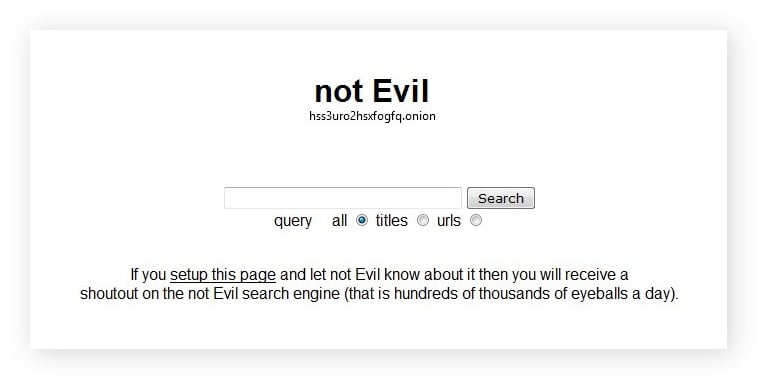
Unlike traditional search engines that crawl the web and index content based on relevance, dark web search engines operate differently. They rely on user submissions and manual indexing to gather links and information from .onion sites. Many of these search engines prioritize privacy and do not track user activities, making them appealing for those who value anonymity.
Benefits of Using Dark Web Search Engines
1. Access to Unique Content: Dark web search engines provide access to information and communities that are not available on the surface web, such as forums and resources dedicated to privacy rights, whistleblowing, and activism.
2. Anonymity: Using a dark web search engine typically helps maintain user anonymity, as these engines are built to protect the privacy of their users.
3. Educational Resources: There are many legitimate educational resources available on the dark web for privacy advocates, researchers, and those seeking knowledge outside of mainstream narratives.
Safety and Precautions
While there are legitimate uses for dark web search engines, users must navigate cautiously. Here are some essential safety tips:
- Use Tor Browser: Always access the dark web through the Tor browser, which anonymizes your connection.
- Protect Your Identity: Avoid sharing personal information or engaging with sites that seem suspicious.
- Stay Informed: Knowledge is power. Educate yourself about potential risks and understand what to look for in a trustworthy source.
- Use Security Tools: Consider employing additional security tools, such as VPNs, to enhance your online safety.

Conclusion
The dark web search engine onion serves as a gateway to an often misconceived part of the internet. When used responsibly and judiciously, these search engines can provide access to vital information, communities, and resources. By prioritizing safety and staying informed, users can navigate the dark web's complexities while maximizing its benefits. The key is to approach this hidden frontier with awareness, respect, and caution.