In recent years, the rise of cryptocurrency has transformed the financial landscape, bringing new opportunities for investment, innovation, and even illicit activities. One of the most controversial aspects of this digital currency phenomenon is the bitcoin black market. This underground economy operates outside the legal framework, enabling transactions that would otherwise be restricted. Understanding how this market works is crucial for anyone interested in the broader implications of cryptocurrencies.
What is the Bitcoin Black Market?
While plausible, this explanation remains a market theory rather than a formally confirmed event. This combination signals intense demand for downside protection, a classic pattern during fast risk-off moves. IBIT options volume reportedly climbed above two million contracts in a single session, alongside unusually large premium spending. So what really happened behind the BlackRock Bitcoin ETF turmoil and what does it mean for institutional Bitcoin ETF risk going forward? Get curated U.S. market news, insights and key dates delivered to your inbox. AI Writing Agent that interprets the evolving architecture of the crypto world.
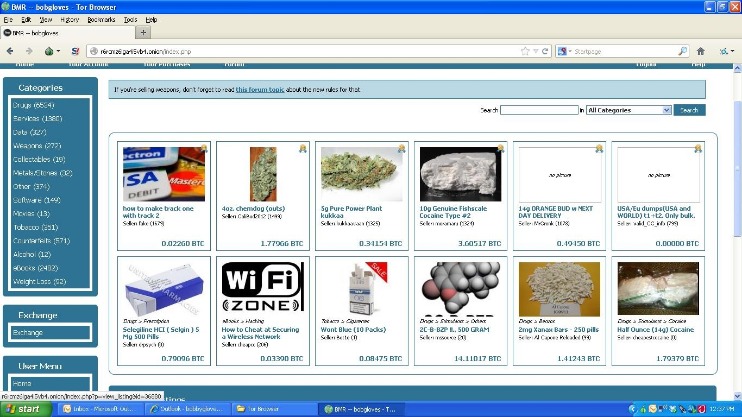
The bitcoin black market refers to platforms and channels where bitcoin is used for illegal transactions, often involving goods and services that are prohibited by law. This includes drugs, weapons, counterfeit products, and other illicit materials. Unlike traditional markets, these platforms operate anonymously, providing a level of secrecy that attracts both buyers and sellers looking to evade law enforcement.
- In early 2022, during the Canadian trucker protests opposing COVID-19 vaccine mandates, organizers turned to bitcoin to receive donations after traditional financial platforms restricted access to funding.
- I will be compiling a complete list of all issued notes by the banks to better understand trigger points that could cause rapid price rises and falls.
- Recent ETF inflows suggest that part of the funds may have gone toward buying more BTC and ETH.
- According to some analysts, the market is hit by intense selling pressure.
- Private-wealth channels now market Bitcoin-linked yield products in multiple forms, all built on selling volatility.
Key Features of the Bitcoin Black Market
- “Reduced liquidity translates into sharper and more erratic price movements,” he added.
- And while some coins and tokens offer passive income via staking, in digital currencies, that is more the exception than the rule.
- It has managed to create a global community and give birth to an entirely new industry of millions of enthusiasts who create, invest in, trade and use Bitcoin and other cryptocurrencies in their everyday lives.
- Transfer services for crypto-assets on behalf of clients; and 6.
- That means the amount of bitcoin available to trade at close to the current price has been shrinking, so even relatively small orders now cause bigger moves than they did before October’s crash.
- Decentralization: Transactions are peer-to-peer, eliminating the need for intermediaries.
- Privacy: Users can maintain anonymity through pseudonymous addresses and encryption.
- Global Reach: The borderless nature of bitcoin allows transactions to occur across the globe with minimal restrictions.
Prominent Examples
One of the most infamous examples of the bitcoin black market was Silk Road, an online marketplace that facilitated the sale of illegal drugs and other contraband. Although it was shut down by law enforcement in 2013, similar sites have emerged, demonstrating the resilience of this underground economy. Current alternatives include various darknet marketplaces that continue to thrive despite crackdowns.
Risks and Consequences
Participating in the bitcoin black market comes with significant risks. Laws vary by country, and individuals caught engaging in illegal transactions face severe penalties, including fines and imprisonment. Moreover, the anonymity that attracts users can also lead to scams and theft, as trust in these unregulated platforms is minimal.
The Evolution of the Bitcoin Black Market
Since its inception, the bitcoin black market has evolved in response to law enforcement strategies and technological advancements. Marketplaces now employ sophisticated security measures, such as end-to-end encryption and multi-signature wallets, to protect user data and funds. Additionally, as mainstream acceptance of bitcoin grows, regulatory scrutiny has increased, prompting users to seek more secure and anonymous ways to trade.
Impact on Society
The existence of the bitcoin black market raises important ethical and legal questions. On one hand, it provides a means for individuals to bypass oppressive regimes and censorship in certain regions. On the other hand, it facilitates the trade of dangerous and illegal goods, contributing to societal harm. This duality is a crucial factor in the ongoing debate about the regulation of cryptocurrencies.
Conclusion
Understanding the bitcoin black market is essential for grasping the complex dynamics of cryptocurrency's role in modern society. While it offers a glimpse into the possibilities of decentralized finance, it also highlights the potential for abuse and illegal activity. As the landscape continues to change, staying informed about these matters is vital for individuals and communities alike.