In today's digital landscape, black market websites operate in the shadows of the internet, providing illicit goods and services. Understanding the names and functions of these sites is crucial for individuals seeking to navigate the complexities of online safety, cybersecurity, and ethical considerations. This article explores black market website names, shedding light on their significance, and how awareness can empower individuals to make informed decisions.
Black marketing in vehicle/cooking fuel became widespread during the 2015 Nepal blockade; even after it was eased and petrol imports resumed, people were not getting the fuel as intended and resorted to the black market. During the petrol crisis in Nepal, black marketing in fuel became common, especially during mass petrol shortage. The saving is attractive enough to make for a black market in agricultural diesel, which was estimated in 2007 to cost the UK £350 million annually in lost tax. For example, between the Republic of Ireland and Northern Ireland, there has often been a black market for petrol and diesel. More recently cryptocurrencies such as bitcoin have been used as a medium of exchange in black market transactions.
Black Market Website Names
Black market websites often employ unique names to disguise their activities and create a sense of intrigue. These names can vary widely, often reflecting their specific focus areas such as illegal drugs, counterfeit goods, or hacking services. Recognizing these name patterns can help users identify the potential dangers associated with these platforms.
Characteristics of Black Market Names
Many black market website names incorporate terms that signify their illegal nature or suggest secrecy. For example, words like "dark," "hidden," or "anonymous" are commonly used to attract users seeking privacy. Familiarity with these characteristics can aid in raising awareness about the risks involved with accessing such sites.
Common Categories of Black Market Websites
Black market websites typically fall into several categories based on the goods or services they offer:
- Drug Trafficking Sites: Many websites specialize in the sale of illegal substances, using cryptic names that often reference street slang or euphemisms related to drug culture.
- Counterfeit Goods: These sites offer fake luxury items, electronics, or documents, presenting themselves as legitimate sellers while deceiving consumers.
- Hacking Services: Some platforms provide access to hacking tools or services, often marketed with names that imply quick or effortless access to illicit digital resources.
- Historically, the names of various black market websites have become infamous, often falling to either law enforcement takedowns or internal scams.
- The dark web remains a mysterious yet highly dangerous part of the internet, where illicit activities and black markets thrive.
- Transactions typically use Bitcoin for payment, sometimes combined with tumblers for added anonymity and PGP to secure communications between buyers and vendors from being stored on the site itself.
- In this chapter, we will cover the most common ones, namely weapons, drugs, forgeries, and financial services.
- It also masks your IP address, making it difficult for government agencies to monitor or track your activities.
- Rum-running, or bootlegging, is the illegal business of transporting (smuggling) alcoholic beverages where such transportation is forbidden by law.
The Importance of Awareness
Understanding black market website names and the risks they pose is crucial for personal safety and legal compliance. Awareness can help individuals avoid unintentional engagement with these sites, which can lead to legal consequences or financial loss. Furthermore, recognizing the signs of illegal online marketplaces can enhance overall cybersecurity and protect personal data from potential breaches.
Ethical Considerations
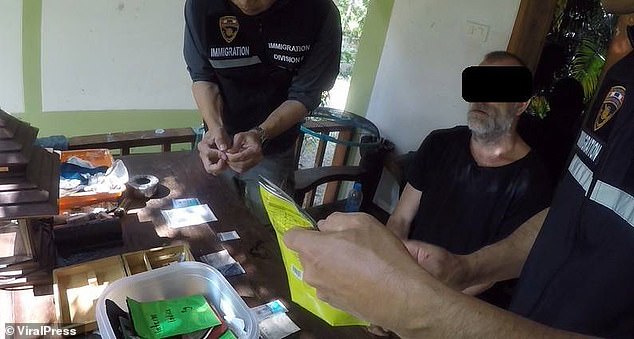
Engaging with the black market raises serious ethical questions. Purchasing illegal products not only supports criminal activity but can also perpetuate harmful practices that affect communities worldwide. By opting for legal and ethical alternatives, individuals can contribute to a safer and more equitable society.
Conclusion
In conclusion, while the allure of black market website names may be strong for some, the potential risks and ethical implications are significant. By staying informed and aware of the different types of platforms and their characteristics, individuals can protect themselves and others from the dangers lurking in the digital shadows. Education is key in fostering a safer online environment for everyone.