The dark web site is a term that often evokes fear, curiosity, and intrigue. It represents a hidden part of the internet that isn't indexed by traditional search engines like Google. While it is commonly associated with illegal activities, the dark web site encompasses a range of content and services, some of which are legal and valuable. Understanding the dark web is essential for anyone who seeks to navigate the complexities of online security and privacy. This article will explore what the dark web is, how it works, its potential dangers, and some of its legitimate uses.
After all, it enables users to connect and communicate with each other from around the world. The social media giant is also aware of the many attempts by repressive regimes to restrict its access. Although the social application is known for collecting data on its platform, it does not like sharing the information with others. Many social media platforms keep their presence on the dark web, and it is no surprise that Facebook has a .onion portal. Its mission of open access is debated within academic and publishing communities. It contains millions of scientific research documents from around the world.
If you choose to visit the dark web, you must take the necessary measures to protect your privacy and security. Some of these sites are very helpful (but unseen as Google doesn’t show them), while others are just for fun. Although the underground internet world is rife with everything bad, it also hosts positive elements. The dark web is a part of the internet that you only step into with a specific tool (Tor, more on this later in the article). Purchases through links on our pages may yield affiliate revenue for us.
Understanding the Dark Web
The dark web is a small segment of the overall deep web, which consists of all parts of the internet that are not indexed by standard search engines. To access a dark web site, users typically utilize special software, such as Tor, which anonymizes their location and activity. Here’s a breakdown of key aspects:
- Accessibility: Requires specific software (e.g., Tor, I2P).
- Privacy: Anonymizes user activities and locations.
- Content: Can range from legal services and forums to illegal marketplaces.
How Does a Dark Web Site Function?
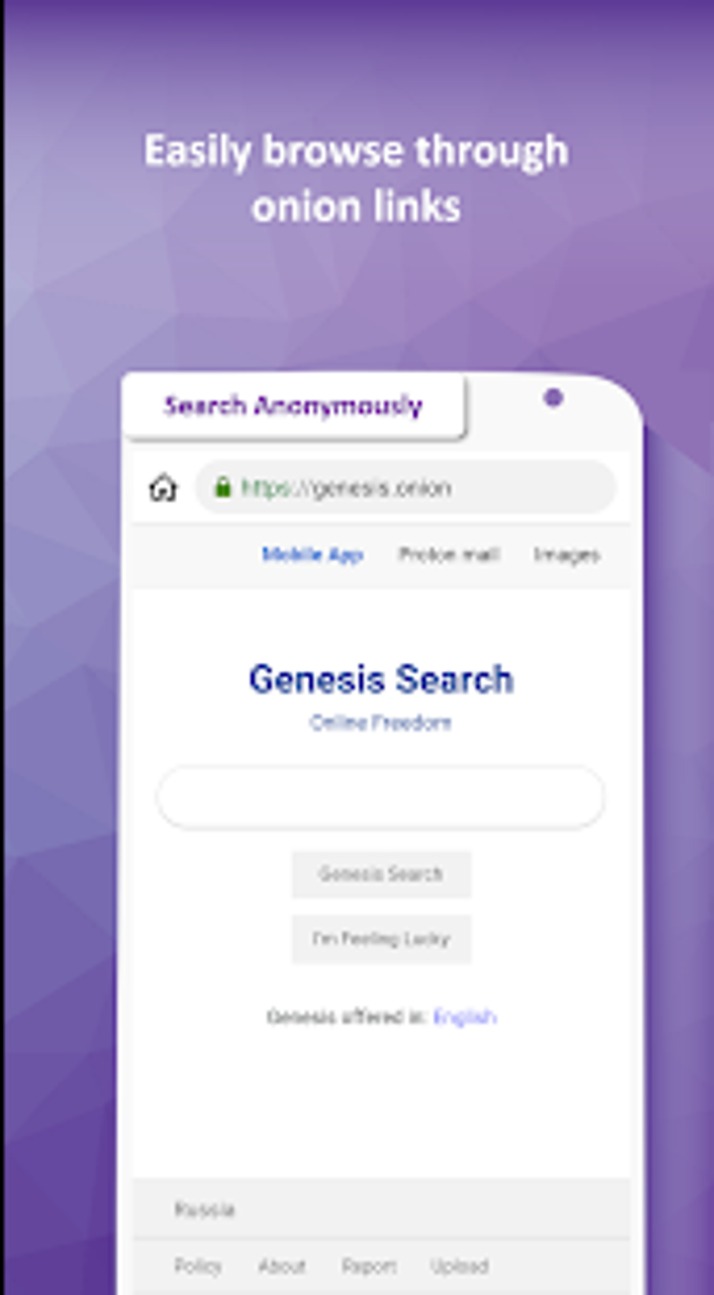
Dark web sites often use a unique domain format ending in ".onion" or ".i2p". Accessing these sites involves the following steps:
- Download and install the Tor browser.
- Configure security settings for optimal safety.
- Access links to dark web sites through directories or forums.
- No one is hiding here—they’re just guaranteeing that people in censored countries can read the news without being flagged.
- The US Navy’s main reason for creating Tor was to help informants relay information safely over the internet.
- This means your activities cannot be traced or your browser history exposed.
- Some users also share links on encrypted apps like Telegram or Keybase that you can check.
- The Camouflage Mode is intended for people living in countries with heavy internet censorship, like China.
Potential Dangers of the Dark Web
Though the dark web site can provide anonymity, it also harbors significant risks. Users should be aware of the following dangers:
- Malware: Downloads may contain harmful software.
- Scams: Many vendors may not deliver on promises.
- Legal consequences: Accessing illegal content can result in criminal charges.
Legitimate Uses of the Dark Web
- It’s also a playground for cybercriminals, illegal activities, and shady stuff.
- The best dark web websites provide access to educational materials, host secure services, or bypass censorship.
- Creators can showcase their work, experiment with new formats, and collaborate with others who share their interests in full anonymity.
- You'll often see these terms used in your travels across the internet, and there's some confusion about what they mean.
- Many mainstream media organizations monitor whistleblower sites looking for news.
Not all dark web activity is nefarious. The dark web site can also serve important functions, particularly in maintaining privacy and freedom of expression. Examples include:

- Whistleblowing: Platforms that allow individuals to share important information without fear of retribution.
- Communication: Journalists and activists use it to communicate securely in oppressive regimes.
- Research: Academics studying cybersecurity can gain valuable insights.
FAQs about the Dark Web
Q1: Is the dark web illegal?
A1: The dark web site itself is not illegal; however, it hosts illegal activities. Accessing these activities is against the law.
Q2: Can I access the dark web securely?
A2: Yes, there are methods to access the dark web securely, including using a VPN in conjunction with the Tor browser, keeping your software updated, and avoiding sharing personal information.
Q3: Are there any safe dark web sites?
A3: Some sites focus on legal content and can provide useful services, such as forums for privacy advocates or resource-sharing among journalists.
In conclusion, while the dark web site can appear daunting, it is essential to approach it with informed caution. Understanding its functions, risks, and uses not only helps in personal safety but also promotes awareness of digital privacy and freedom of expression in a rapidly evolving online landscape.