
Although your internet traffic is encrypted and routed through multiple layers on Tor, your ISP can still see that you’re connected to Tor. Tor Browser is primarily used as a method of anonymous browsing. Though Tor is slower, the process of rerouting data through nodes makes it more difficult to trace your activity back to you.
The dark web is a hidden part of the internet that is often misunderstood and shrouded in mystery. While it has garnered a reputation for illicit activities, it can also serve legitimate purposes. Understanding what a dark web address is, how it works, and its implications is essential for anyone interested in digital privacy and security. This article aims to shed light on the dark web, guiding readers through its complexities while emphasizing the importance of informed navigation.
Meet our partners and explore system integrators and technology alliances Discover how it began and where it’s going Provide zero trust site-to-site connectivity and reliable access to B2B apps for partners. Provide zero trust connectivity for IoT and OT devices and secure remote access to OT systems.
Dark Web Address
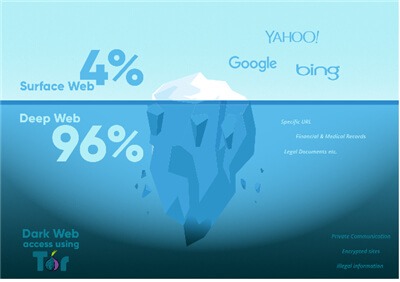
A dark web address typically refers to a URL that belongs to websites only accessible through specific software or configurations, commonly requiring the Tor browser. These addresses usually end with the ".onion" domain, allowing users to browse anonymously. Here’s how it works:
How to Access the Dark Web
- Download the Tor Browser: The Tor (The Onion Router) browser is essential for accessing the dark web. It anonymizes internet traffic and provides access to .onion sites.
- Understand the Risks: Engaging with dark web content can expose users to various risks, including illegal activities, scams, and cybersecurity threats.
- Use a VPN: For added security and anonymity, a virtual private network (VPN) can further encrypt your internet connection.
Common Types of Dark Web Addresses
Within the dark web, you’ll encounter various types of sites, including:
- Marketplaces: Some platforms facilitate the exchange of goods, often including illegal items.
- Forums: These are spaces for discussion and information sharing, sometimes focusing on sensitive topics.
- Whistleblower Platforms: Websites that allow individuals to share information anonymously, often to expose corruption or abuse.
- Privacy Tools: Solutions aiming to enhance user security and privacy online.
- Any online activity can carry breadcrumbs to your identity if someone digs far enough.
- This means your activities cannot be traced or your browser history exposed.
- Later, when people search for specific content, the results appear in a search engine such as Google, where the content is then openly viewable.
- Since the dark web is a hidden and uncontrolled part of the web, there is a high amount of malware infections present there.
- Topic modeling is an unsupervised NLP technique with the main objective of identifying and delineating abstract “topics” inherent in a corpus of textual data (here posts, chat messages, or websites).
- What happens after that, it’s all to you.
Why Do People Use Dark Web Addresses?
Users visit dark web addresses for various reasons, including:
- Privacy Concerns: Individuals who prioritize their online privacy might seek out the dark web to avoid surveillance.
- Access to Restricted Information: Some individuals use it to obtain information that may be censored in their home countries.
- Activism: Whistleblowers and activists often turn to the dark web to communicate safely.
FAQs About Dark Web Addresses
1. Is the dark web illegal?
Accessing the dark web itself is not illegal; however, many activities conducted there may violate laws. Always ensure that you are aware of the legal implications of your actions.
2. Can I be tracked on the dark web?
While the dark web provides a level of anonymity, users can still be tracked through various means, such as browser vulnerabilities or poor practices. Using VPNs and secure browsing habits is essential.
3. What should I avoid on the dark web?
Avoid engaging in illegal activities, clicking on suspicious links, or providing personal information. Awareness and caution are crucial.
Understanding dark web addresses and how to navigate this hidden realm can empower users to protect their privacy while exploring the complexities of the internet. As with any tool, knowledge and responsible use are key to ensuring safety and legality in digital space.