In an age where online privacy and security are increasingly important, understanding the dark web login process can provide insight into a hidden part of the internet. The dark web is often misunderstood, frequently associated with illegal activities. However, it serves various legitimate purposes, including privacy protection, secure communication, and freedom from censorship. This article will guide you through the essentials of logging into the dark web, what you might find there, and crucial safety measures to take.
Human rights are upheld by people, communities, and technologies that adapt to a changing world. Tor Browser is available in multiple languages in a single multi-locale download, which can be changed using the menu in General settings. The Tor Project is deeply committed to transparency and the safety of its users. Browse a glossary of Tor and privacy-related terms to better understand how our tools work. Answers common questions about abuse on Tor, explaining the network's role, its limitations, and how it responds.
Understanding the Dark Web
- The Tor Project is deeply committed to transparency and the safety of its users.
- Onion services let people host or access websites and services only reachable via Tor, preserving privacy for both visitors and site operators.
- To advance human rights and freedoms by creating and deploying free and open source anonymity and privacy technologies, supporting their unrestricted availability and use, and furthering their scientific and popular understanding.
- With Tor Browser having made Tor more accessible to everyday internet users and activists, Tor was an instrumental tool during the Arab Spring beginning in late 2010.
- From its inception in the 1990s, onion routing was conceived to rely on a decentralized network.
The dark web constitutes a small portion of the internet that is not indexed by search engines. It exists within the deep web, which includes all parts of the internet not indexed by traditional search engines. Here are some key characteristics of the dark web:
- Accessibility: The dark web requires specific software to access, the most popular being Tor (The Onion Router).
- Privacy: The dark web allows users to browse and communicate anonymously, making it an appealing space for those concerned about privacy.
- Content: While often associated with illicit activities, the dark web also hosts forums, whistleblower resources, and privacy-centric services.
How to Log into the Dark Web
Logging into the dark web is a straightforward process, but caution is essential to ensure personal safety and security. Here’s a step-by-step guide:
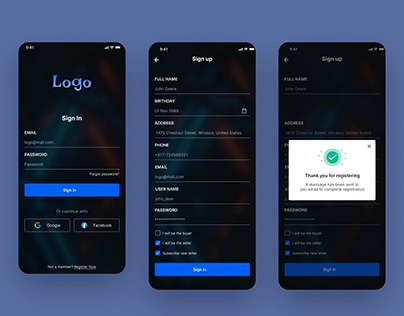
- Download Tor Browser: The first step is to download the Tor browser from the official Tor Project website. This browser allows you to access .onion sites that are only available on the dark web.
- Install the Browser: Follow the installation instructions specific to your operating system, whether it's Windows, Mac, or Linux.
- Connect to the Tor Network: Open the Tor browser and click “Connect.” It will establish a connection to the Tor network, ensuring your IP address is hidden.
- Access .onion Websites: Once connected, you can type .onion URLs directly into the Tor browser's address bar. Always verify the reliability of the site you are visiting.
Safety Measures for Dark Web Browsing
- We're a nonprofit organization and rely on supporters like you to help us keep Tor robust and secure for millions of people worldwide.
- Technical manual and guide for the core tor daemon ("little-t tor"), which powers the Tor network and our apps.
- The need for tools safeguarding against mass surveillance became a mainstream concern thanks to the Snowden revelations in 2013.Not only was Tor instrumental to Snowden's whistleblowing, but content of the documents also upheld assurances that, at that time, Tor could not be cracked.
- It not only protected people's identity online but also allowed them to access critical resources, social media, and websites which were blocked.
- Naval Research Lab (NRL) asked themselves if there was a way to create internet connections that don't reveal who is talking to whom, even to someone monitoring the network.Their answer was to create and deploy the first research designs and prototypes of onion routing.
While the dark web can be a valuable resource, navigating it comes with inherent risks. Follow these safety tips:
- Use a VPN: Combining a VPN with Tor can add an extra layer of anonymity.
- Stay Anonymous: Avoid sharing personal information or using identifiable usernames.
- Be Wary of Downloads: Downloading files can expose you to malware, so be cautious.
- Verify Website Security: Look for HTTPS and additional security signals before interacting with a site.
FAQs about Dark Web Login
1. What is the dark web used for?
The dark web is used for various purposes, including anonymous communication, sharing sensitive information, and providing access to restricted content. It can be a haven for activists, journalists, or those seeking information that's not readily available in their geographical area.
2. Is it illegal to access the dark web?
Accessing the dark web itself is not illegal. However, engaging in illegal activities, such as purchasing illicit goods or services, is against the law.
3. Can I get caught while browsing the dark web?
While the dark web offers anonymity, law enforcement agencies monitor it. Engaging in illegal activities can lead to serious legal consequences.
4. How does using Tor protect my privacy?
The Tor network encrypts your internet traffic and routes it through several servers, making it difficult to trace back to your original IP address, thus enhancing your online anonymity.
In conclusion, understanding the dark web login process is vital for those interested in exploring this hidden part of the internet. By following safety measures and remaining informed, users can responsibly navigate this realm, safeguarding their privacy while unlocking a wealth of information. Always approach the dark web with caution, and remember to prioritize security in all your online activities.