The emergence of the internet revolutionized various aspects of commerce and communication, but it also gave rise to darker avenues for illicit activities. One such area is the counterfeit euro deep web, which has become a significant concern for governments, businesses, and individuals worldwide. Understanding how this black market operates and how to recognize its telltale signs can aid in protecting oneself from potential scams and fraudulent activities.
- Once mostly movie magic, AI-generated fake videos and voice clones are now a weapon for fraud.
- The likelihood of receiving a counterfeit is low, as the number of counterfeits is very small in proportion to genuine euro banknotes in circulation.
- AI models can study public photos or recordings of a person (say, gleaned from social media or YouTube) and then generate a fake that captures their look or tone uncannily well.
- We run a Counterfeit Currency and Security Documents laboratory, providing forensic support to investigators.
- By disabling, you reduce such attacks’ potential (especially on untrusted websites).
- Darknets and Dark Web sites are encrypted, peer-to-peer networks that are only accessible via certain tools.
Counterfeit Euro Deep Web
Although the Dark Web is often used for illegal activities, it’s not illegal to access it in many countries. Counterfeiting undermines the integrity of the financial system and can lead to economic instability. After AlphaBay closed, Abacus Market took its place as the world’s largest underground darknet marketplaces. Technology has advanced so much that seeing—or even hearing—no longer guarantees reality. Learn how to navigate the underground digital economy while prioritizing security and privacy. Explore darknet markets safely with our up-to-date guides, reviews, and resources.
One of the main reasons that counterfeiters are attracted to this European denomination is because of its high value and huge circulation. The anonymity of the “other” side of the virtual world allow for the exchange of illicit things, such as drugs, illegal weapons trade, leaking classified information, and even global terrorism. Yet by remaining vigilant and informed both individuals and businesses can safeguard themselves against becoming targets of counterfeiters. Well-known organizations like Facebook and DuckDuckGo have Web sites on the Dark Web.
The deep web refers to parts of the internet not indexed by traditional search engines. Within this hidden layer of the web, counterfeit currencies, including the euro, are traded illegally. Here's an insight into how this operates:
How the Counterfeit Euro Deep Web Operates
- Anonymity of Transactions: The deep web allows buyers and sellers to operate anonymously, often using cryptocurrencies like Bitcoin to obscure their identities.
- Variety of Products: Counterfeit euro notes can range from low-quality reproductions to high-quality fakes that can easily deceive merchants and consumers.
- Marketplace Structure: Several online platforms facilitate the trade of counterfeit euros, resembling e-commerce websites where users can browse listings and make purchases.
- Reviews and Ratings: Just like legitimate marketplaces, vendors often have ratings and reviews, making it easier for buyers to choose whom to trust.
Risks Associated with Counterfeit Euros
Engaging with counterfeit currency can have severe implications:
- Legal Consequences: Possessing or distributing counterfeit currency is illegal and can lead to hefty fines or imprisonment.
- Financial Loss: Buyers often lose their money as counterfeit currencies cannot be exchanged or deposited in legitimate banks.
- Economic Impact: The circulation of counterfeit currency undermines trust in the economy and can devalue the currency itself.
How to Recognize Counterfeit Euros
Being able to identify counterfeit euros is crucial for staying safe. Here are some tips:
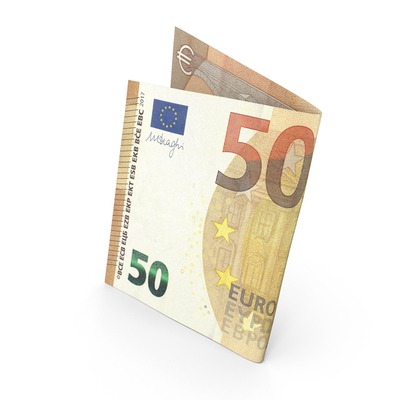
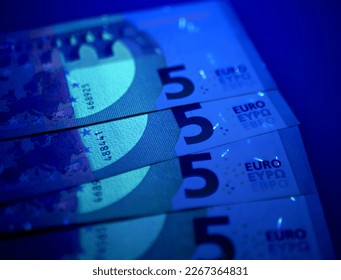
- Check Watermarks: Genuine euro notes have a transparent window and a watermark that can be seen when held up to the light.
- Feel the Texture: Authentic euros are made from a unique polymer that has a distinct texture.
- Security Threads: Look for embedded security threads in the paper, which are difficult to replicate.
- Color-Shifting Ink: On the higher denominations, the ink changes color when viewed from different angles.
Frequently Asked Questions
- If you receive a suspicious banknote, compare it side by side with one you know to be genuine.
- Besides taking down the Dark Web shop selling counterfeit money, authorities also dismantled the owner’s euro banknote printing shop, located in Leoben, Austria.
- Understanding the process involved in obtaining fake IDs and documents highlights both the complexity and the significant risks involved.
- However, the Dark Web is more famous for its illegal uses.
- In September 2018, Austrian authorities worked with Polish police to dismantle another money counterfeiting network operating in the Polish city of Gdynia.
1. What is the deep web?
The deep web refers to sections of the internet not indexed by search engines, containing private databases, password-protected sites, and illegal marketplaces.
2. How can I report counterfeit currency?
If you encounter suspected counterfeit euros, report it to your local law enforcement or the relevant financial authorities.
3. Can I get my money back if I fall victim to counterfeit currency?
Unfortunately, once you receive counterfeit money, it is unlikely that you can recover your losses.
In conclusion, awareness surrounding the counterfeit euro deep web is essential for protecting oneself against fraud. Vigilance, knowledge, and caution can serve as your best defenses in a digital landscape that can sometimes be perilous.